Bread Mold Growth at Three Temperatures
Hypothesis
Science Concepts Learned
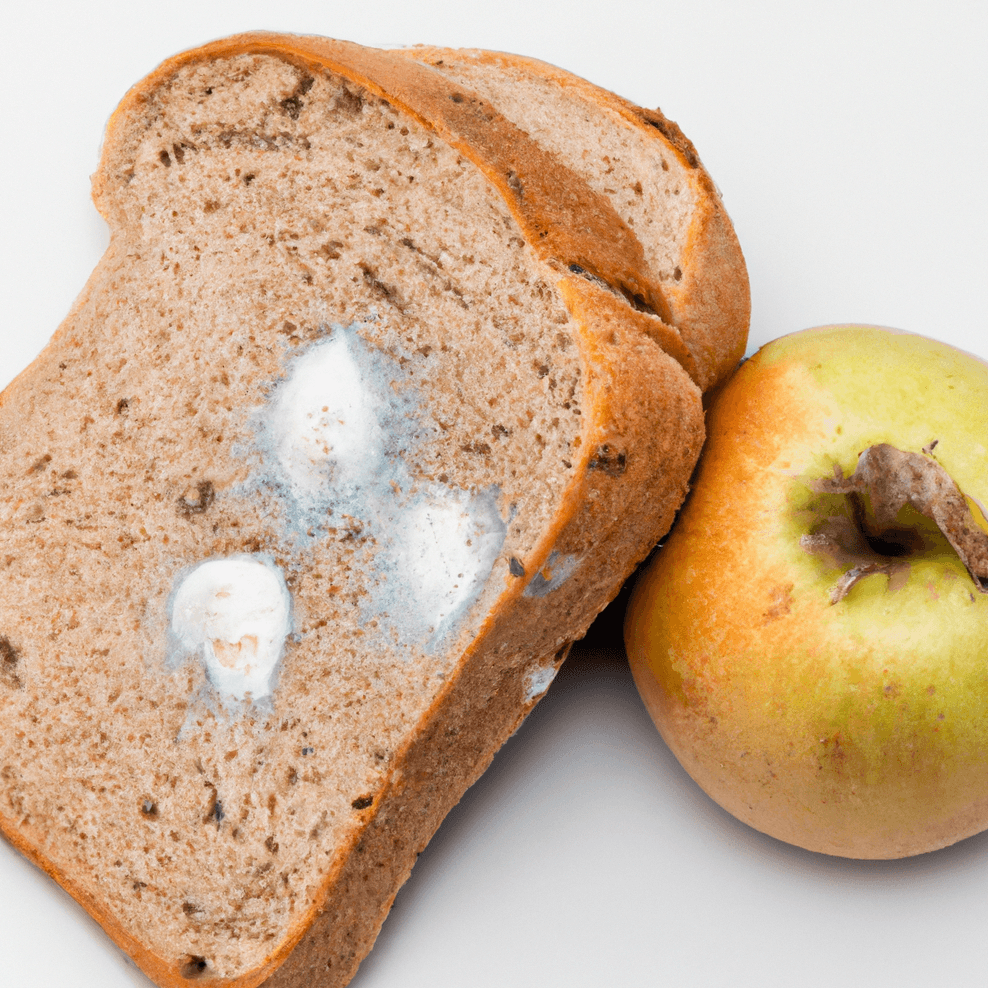
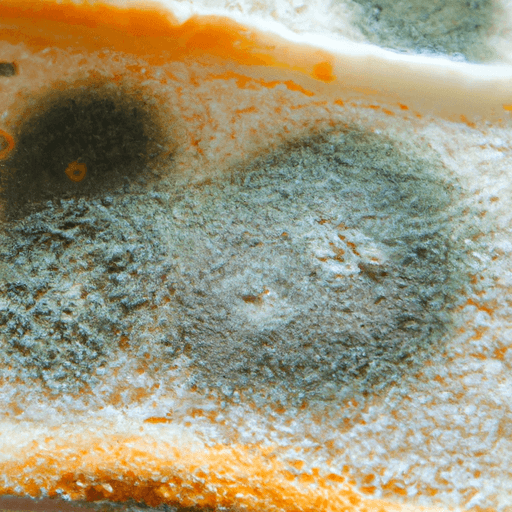
Mold is a type of fungus that grows as fuzzy patches on damp surfaces, and temperature controls how quickly it spreads. In one experiment, bread samples receive water and brown sugar, then sit at three temperatures. The hypothesis is that warmer temperatures will cause the fungi to grow faster.
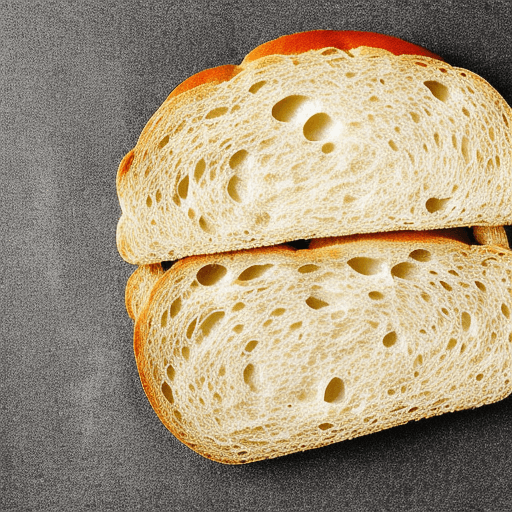
Temperature directly controls how fast microbes multiply. One bread sample sits under a lamp at about 25 degrees Celsius. Another goes into the fridge at about 4 degrees Celsius. The warm sample grows fungi the fastest, while the cold sample barely changes at all.
Fungi grow best in warm, moist conditions. Cold temperatures slow their feeding on dead matter nearly to a halt. Placing bread samples at different temperatures shows this clearly, since the warm sample grows fungi the fastest.
Method & Materials
Tinker Crate — science & engineering build kits for ages 9–12 — real tools, real experiments, delivered monthly. (Affiliate link)
See what’s includedResults
Why do this project?
Also Consider
Full project details
Additional information and source material for this project are available below.Related Science Fair Project Ideas