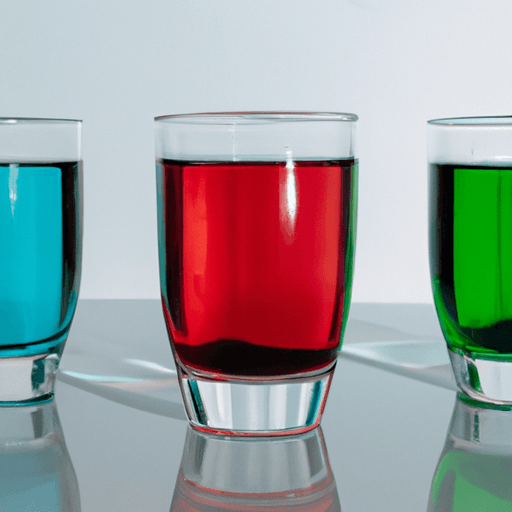
Do certain food additives change how three-year-olds behave? Artificial colors and preservatives appear in many everyday foods. Their effect on behavior has been debated for decades.
Researchers gave young participants either a placebo drink or one with additives. The active drink contained five substances:
- sunset yellow
- tartrazine
- carmoisine
- ponceau 4R
- sodium benzoate
Clinic-based psychological tests measured behavior changes. Parents also filed their own reports.
The psychological tests showed no significant effect from the additives. But parents reported more hyperactive behavior when the additives were present. They also noticed calmer behavior when additives were removed from the diet. These parent-reported effects appeared across the whole group, not just in allergic or hyperactive participants.
Independent experts agree the evidence is not yet conclusive. This remains an area of ongoing scientific study.
Hypothesis
The hypothesis is that food additives can influence the behavior of young children.
Sunset yellow, tartrazine, carmoisine, ponceau 4R, and sodium benzoate are food additives mixed into drinks and processed foods to change their color or help them last longer. This experiment introduces those same artificial colors and preservatives into an active drink to test whether they cause unintended side effects beyond their original purpose.
Moving, fidgeting, and acting restless far more than usual — that pattern is what researchers mean when they study hyperactivity in young children. One study tested whether artificial colors and sodium benzoate might contribute to it. Participants received either a placebo drink or an active drink containing five additives: sunset yellow, tartrazine, carmoisine, ponceau 4R, and sodium benzoate. Clinic-based psychological tests showed no significant behavioral difference between the two groups. Parents, however, told a different story — they reported more restless, hyperactive behavior when the additives were present, and calmer behavior once those additives were removed from the diet. Those parent-reported effects appeared across the whole group, not just in children already prone to hyperactivity. Independent experts consider the evidence inconclusive, and the question remains an active area of scientific study.
Method & Materials
You will give children either a placebo or an active drink containing the additives sunset yellow, tartrazine, carmoisine, ponceau 4R and sodium benzoate. You will then evaluate their behavior with clinic-based psychological tests and parental reports.
You will need a placebo or an active drink containing the additives sunset yellow, tartrazine, carmoisine, ponceau 4R and sodium benzoate, as well as clinic-based psychological tests and parental reports.
Eureka Crate — engineering & invention kits for ages 12+ — monthly projects that build real-world skills. (Affiliate link)
The study concluded that the psychological test results did not show any significant effect of the additives on the children's behavior, although the parental reports of behavior did show some effect. Parents observed an improvement in behavior when the additives were removed from the diet, and an increase in hyperactivity when the children were given the drink containing the additives.
Why do this project?
This science project is unique because it looks at the effects of food additives on the behavior of young children, which is something that has not been studied in depth before.
Also Consider
Experiment variations to consider include looking at the effects of different types of food additives on the behavior of children, or looking at the effects of food additives on children of different ages.
Full project details
Additional information and source material for this project are available below.