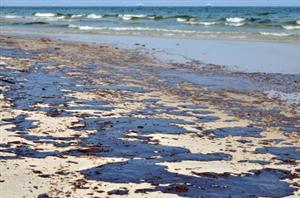
Does detergent help or hurt oil spill cleanup? Polypropylene pads soak up oil from water during spill response. Adding detergent to the water might change how well these pads work.
You mix engine oil and water in a container. Then you add one of four detergents: Tide, Wisk, Jet Dry, or Dawn. After the mixture settles, you place a polypropylene pad in it. You weigh the pad before and after to measure oil absorption. A control test with no detergent shows the baseline.
The results reveal whether detergent helps or blocks oil absorption.
Hypothesis
The hypothesis is that detergent decreases the ability of polypropylene pads to absorb oil spills.
Oil spill cleanup depends on materials that can soak oil out of water. Polypropylene pads are used during spill response to absorb oil, but detergent in the water may change how well they perform. This experiment tests whether common detergents help or interfere with oil absorption by these pads.
Polypropylene pads soak up oil from water during spill cleanup — a direct application of absorption. The question here is whether adding detergent to the water changes how well the pads hold oil inside. If detergent affects how much oil the pads absorb, it reveals whether detergent helps or blocks absorption.
Engine oil is difficult to remove once it enters water, but polypropylene pads can soak it up during spill cleanup. The question is whether adding detergent to the water changes how well those pads work. You mix engine oil and water in a container, then add one of four detergents — Tide, Wisk, Jet Dry, or Dawn. After the mixture settles, you place a polypropylene pad in it, then weigh the pad before and after to measure oil absorption. A control test with no detergent shows the baseline, and the results reveal whether detergent helps or blocks absorption.
Oil spills put harmful oil into the water — and cleaning them up is not simple. Polypropylene pads are one tool used to soak up oil during spill response, but adding detergent to the water might change how well they work. You mix engine oil and water in a container, add one of four detergents (Tide, Wisk, Jet Dry, or Dawn), then place a polypropylene pad in the mixture. Weighing the pad before and after shows how much oil it absorbed. A control test with no detergent provides the baseline. The results reveal whether detergent helps or blocks oil absorption.
Method & Materials
You will fill a container with water and oil, add detergent, stir, and leave it to set. Then, you will put a polypropylene pad into the container and leave it to set. After that, you will remove the pad and measure the mass of oil absorbed.
You will need 600ml of engine oil, 3 liters of water, 15ml of Tide, Wisk, Jet dry, and Dawn dish soap, 2 empty bottles/trays, 30 equal-sized polypropylene pads, a stirrer, and a weighing scale.
MEL Chemistry — hands-on chemistry experiment kits delivered monthly — great for building lab skills at home. (Affiliate link)
The results of the experiment show that detergents do interfere with the oil absorbency of polypropylene pads, though the difference is not very significant. This experiment can help educate the public to be aware of the effect of detergents on the oil absorbency of polypropylene pads.
Why do this project?
This science project is interesting because it helps us understand how detergents can affect the oil absorbency of polypropylene pads, which can be used to soak up oil spills and leaks.
Also Consider
Variations to consider: Will temperature affect the absorbency of polypropylene pads? Besides detergents, what other liquids might affect the absorbency of polypropylene pads? What might happen if another type of oil was used instead of Engine oil?
Full project details
Additional information and source material for this project are available below.