

Toothbrush Storage and Bacteria Growth
Medium
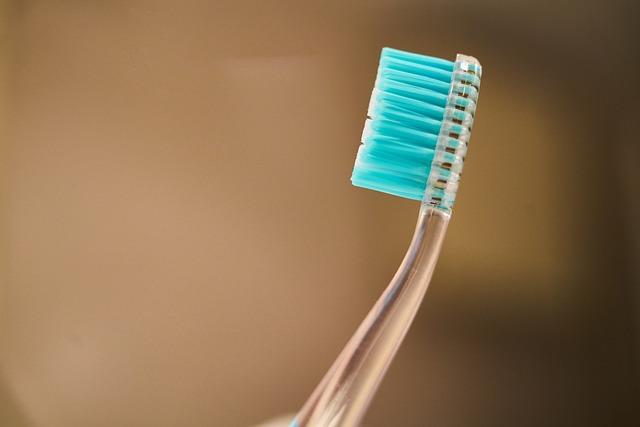
Can storing your toothbrush in mouthwash reduce bacteria growth? Every time you brush, bacteria collect on the bristles. How you store the brush afterward matters.
You prepare three toothbrushes with different five-day routines. One is used with water only. One is used with toothpaste. The third is used with toothpaste and then stored in Listerine. After five days, you swab each brush onto an agar dish and measure the bacteria colonies.
The brush stored in Listerine grows far less bacteria than the others.
Hypothesis
The hypothesis is that the toothbrush kept in Listerine solution will have the least bacteria.
Science Concepts Learned
Oral Microbiome
The tiny living things in your mouth move onto objects you use every day. When you brush your teeth, bacteria collect on the bristles. How you store the brush afterward affects the microbiome that transfers. You can test this by preparing three toothbrushes with different five-day routines. One uses water only, one uses toothpaste, and one is stored in Listerine after brushing. After five days, swab each brush onto an agar dish and measure the bacteria colonies. The brush stored in Listerine grows far less bacteria than the others.
Method & Materials
You will prepare three agar petri dishes, disinfect three swabs, and label three toothbrushes. You will give each toothbrush a different treatment for five days, then take a sample from each toothbrush and roll it in the petri dishes. Finally, you will measure the size of the bacteria colony growth in each petri dish over five days.
You will need three agar petri dishes, three disinfected swabs, one bottle of disinfected water, three toothbrushes, one bottle of Listerine, one tube of toothpaste, and one marker pen.
Tinker Crate — science & engineering build kits for ages 9–12 — real tools, real experiments, delivered monthly. (Affiliate link)
See what’s includedResults
The results showed that the petri dish with the toothbrush that was used with only water had the quickest bacteria growth. The petri dish with the toothbrush that was kept in Listerine had the least amount of bacteria growth.
Why do this project?
This science project is interesting because it shows how different treatments can affect the amount of bacteria growth in a toothbrush.
Also Consider
To improve the reliability and accuracy of the results, a larger sample of participants should be used. This science project can also be repeated, this time taking a swab sample from the mouth after gargling with water, mouthwash, and Listerine and comparing the bacteria content.
Full project details
Additional information and source material for this project are available below.Related videos
These videos explain the science behind this project and demonstrate key concepts used in the experiment.
Share this Science Project:
Related Science Fair Project Ideas
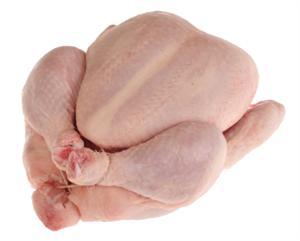
Swab fresh, frozen, and irradiated chicken onto agar plates and measure which processing method leaves the fewest bacteria behind.
Medium
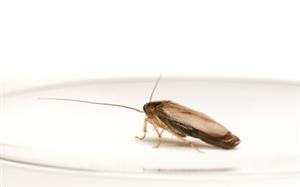
Let four insects walk across agar dishes and measure which one leaves behind the largest colony of bacteria after five days.
Medium
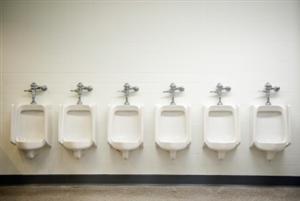
Swab five waterless and five water-based urinals, grow the bacteria in petri dishes, and measure which type produces larger colonies.
Medium
Share this Science Project: