

Squirrel Jumping Distance
Hard
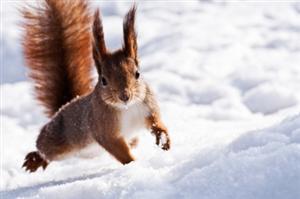
Can a squirrel really jump more than 10 times its body length? You have probably seen squirrels leap between tree branches without a second thought. This project measures exactly how far they can go.
You set up two tables with a gap between them. Sunflower seeds sit on the far table. A PVC pipe on the near table guides each squirrel to the edge. You start at 300 mm and increase the gap by 300 mm after each round. A soft cushion below catches any missed jumps.
The squirrels cleared distances of 1 to 1.5 meters. The farthest successful jump reached 1.5 meters.
Hypothesis
The hypothesis is that squirrels are able to jump a distance of at least 1 meter.
Science Concepts Learned
Rodent Behavior
Squirrels leap between tree branches without a second thought, but exactly how far can they go when food is the motivation? You set up two tables 300 mm apart and place sunflower seeds on the far table. A PVC pipe on the near table guides each squirrel to the edge. After each successful round, you increase the gap by 300 mm. A soft cushion below catches any missed jumps. The squirrels cleared distances of 1 to 1.5 meters. The farthest successful jump reached 1.5 meters — showing how far rodents push their physical abilities to search for food.
Method & Materials
You will arrange two tables 300mm apart, place a PVC pipe between them, and fill a plate with sunflower seeds. You will then release the squirrels one at a time into the pipe and measure how far they can jump.
You will need two tables, five squirrels, a PVC pipe, a thin soft mattress or a large pillow, a bag of sunflower seeds, a plate, and a measuring tape.
Eureka Crate — engineering & invention kits for ages 12+ — monthly projects that build real-world skills. (Affiliate link)
See what’s includedResults
The results showed that the squirrels were able to jump an average distance of between 1 meter and 1.5 meters. The furthest jump was 1.5 meters, achieved by two of the squirrels.
Why do this project?
This science project is interesting because it shows how far a squirrel can jump, which is much farther than you might expect!
Also Consider
To vary the experiment, you could compare male and female squirrels, or increase the height of the PVC pipe and reduce the height of the second table.
Full project details
Additional information and source material for this project are available below.Related videos
These videos explain the science behind this project and demonstrate key concepts used in the experiment.
Share this Science Project:
Browse by Grade
Related Science Fair Project Ideas
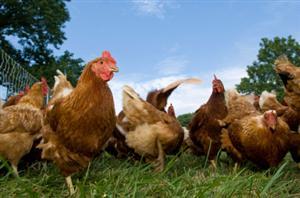
Time roosters and hens racing to a food tray with and without a log obstacle to see which group adapts faster.
Hard
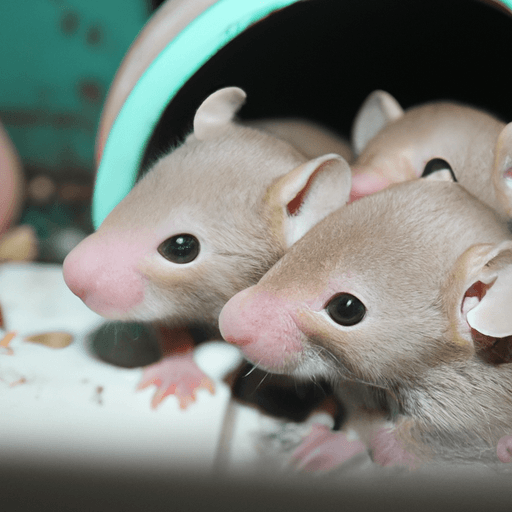
Race male and female mice through a cardboard maze, then use a T-maze to discover each mouse's paw preference.
Hard
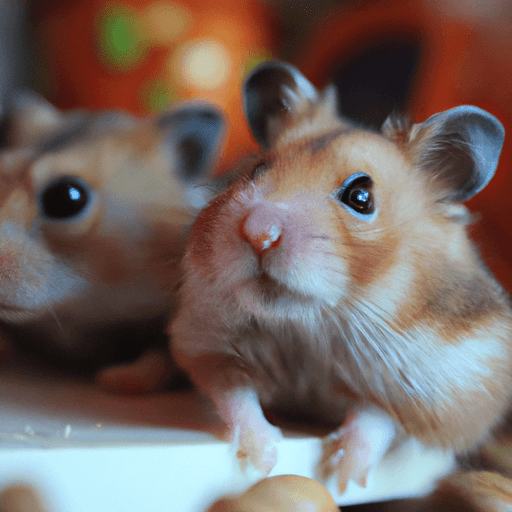
Build a cardboard maze, send hamsters and mice through it ten times each, and discover which species learns the route faster.
Hard
Share this Science Project: