| Complexity level: | 5 |
| Time required: | 15 minutes to simmer fruit. 1-2 hours for set-up and completion of other lab steps. |
| Material availability: | Most materials can be found at a grocery store. Iodine can be purchased from a drug store or online. Graduated cylinders and lab hot plates can likely be found in a school laboratory or at laboratory supply store. |
| Safety concerns: |
Hypothesis
Overview
Scientific Terms
Materials
MEL Chemistry — hands-on chemistry experiment kits delivered monthly — great for building lab skills at home. (Affiliate link)
See what’s includedProcedure
- Take the cup of chopped tomatoes and put them in the food processor.
- Blend the tomatoes until they have the consistency of a puree.
- Turn the machine off.
- Using the graduated cylinder, add 150 mL of water into the food processor.
- Blend the tomatoes again for about 20 seconds.
-
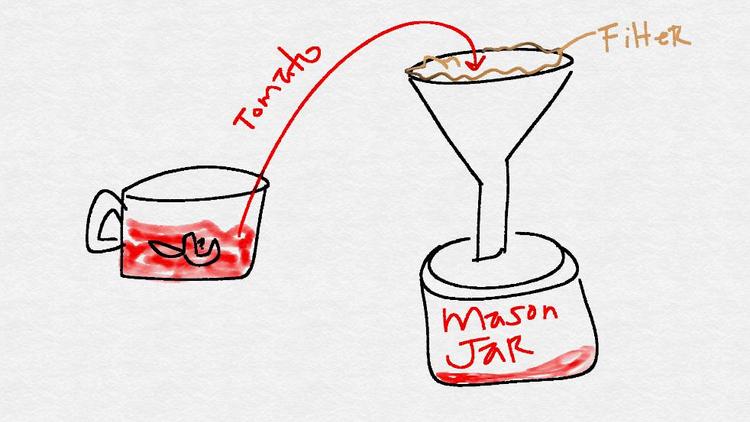
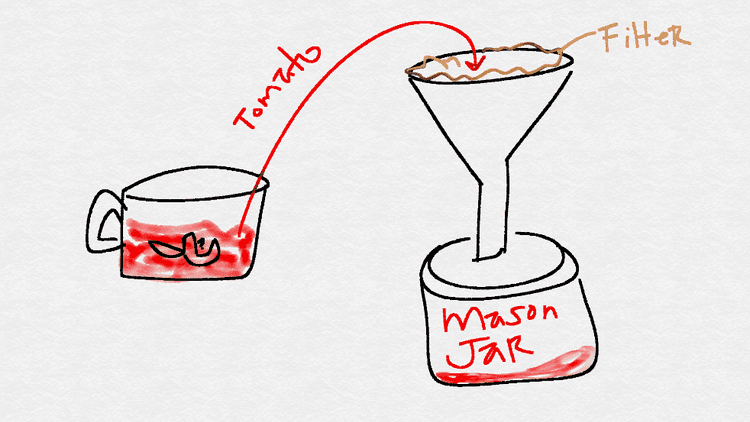
Strain the contents of the food processor into one of the mason jars using a coffee filter and funnel.
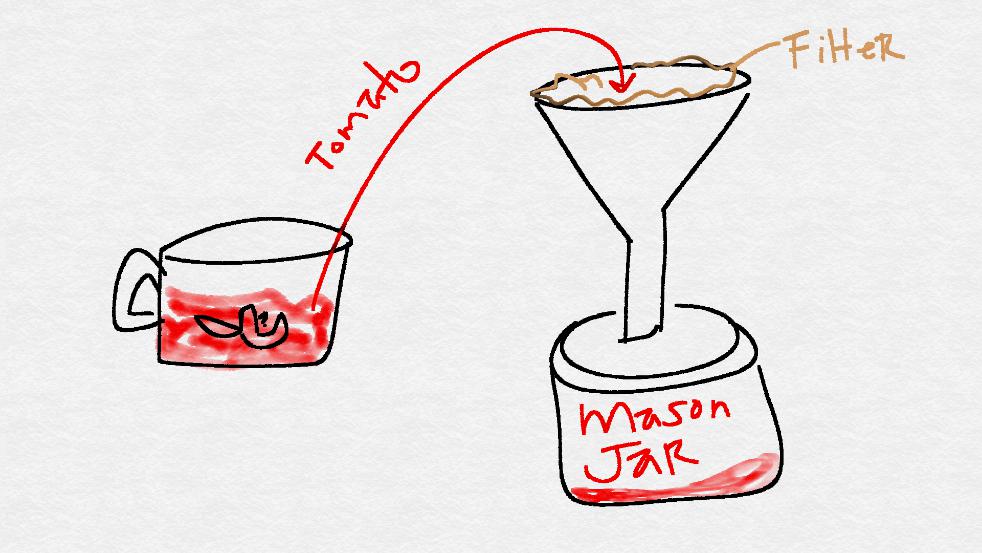
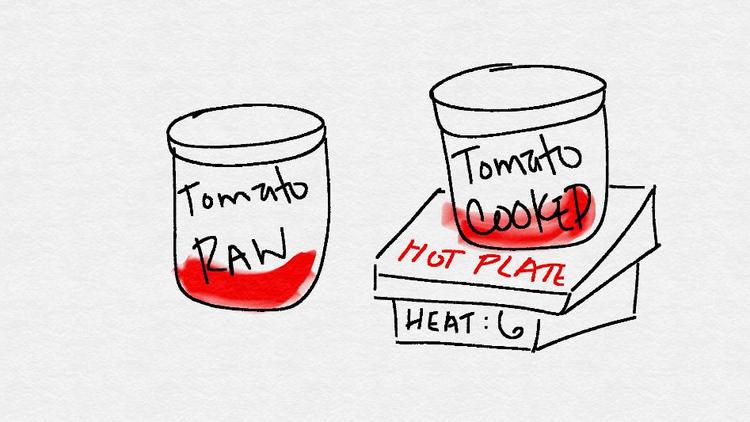
- Pour half of the mason jar's contents into another jar.
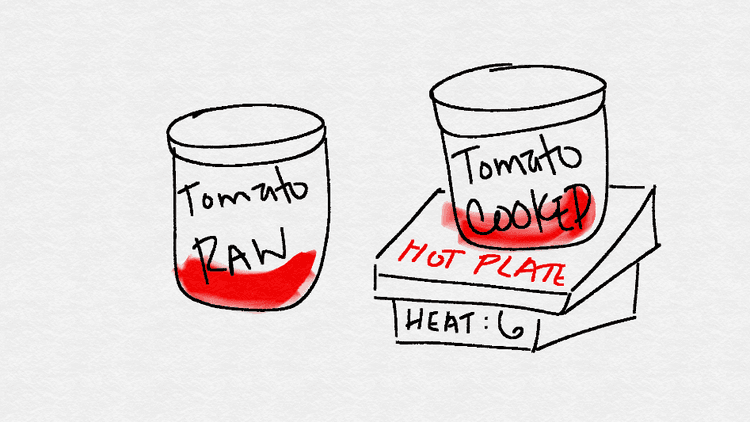
- Label the first jar as "tomato - raw."
-
Label the second jar as "tomato - cooked."
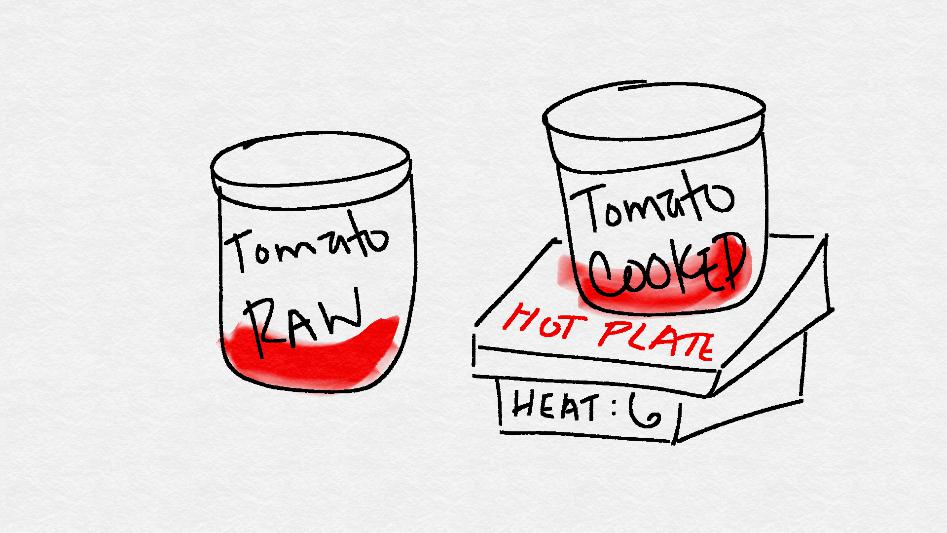
- Place the "tomato - cooked" jar on the hot plate at heat level 6 for 15 minutes. Do not allow the substance to boil.
- Repeat Steps 1 - 9 with the cherries.
-
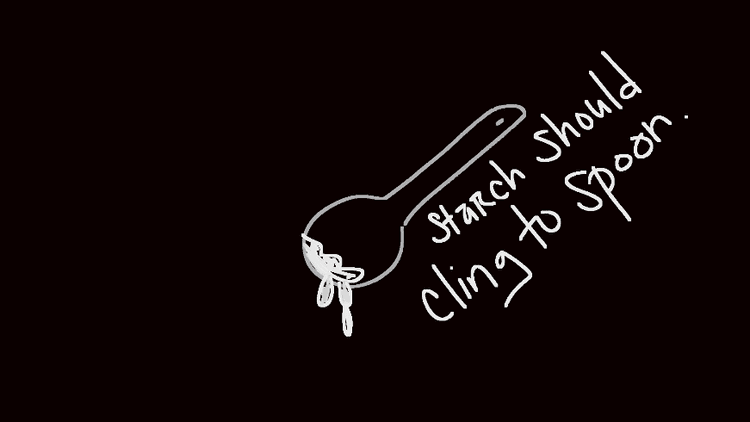
Add 1 tablespoon of cornstarch to another jar and add drops of water with one of the eyedroppers. Stir until it has a consistency of a paste.
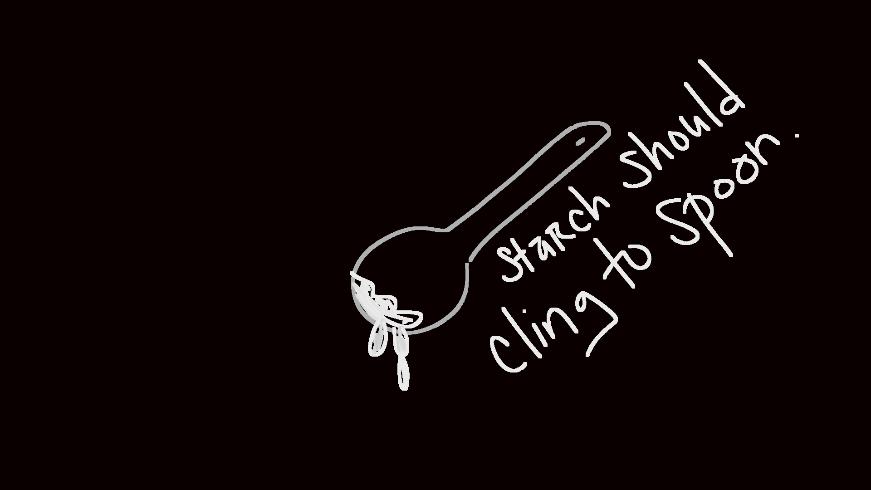
- Measure 250 mL of water with the graduated cylinder.
- Add that water to your cornstarch mixture.
- Put the cornstarch mixture on the hot plate with heat at 8 ? 9 (when the starch boils). Boil for 5 minutes.
- Set the starch mixture aside to cool for about 5 minutes when done.
- Measure 75 mL of the distilled water into a clean mason jar.
- Add 10 drops of the starch solution into the water using a clean eye dropper.
- Squeeze out any extra starch solution back into the jar it came from.
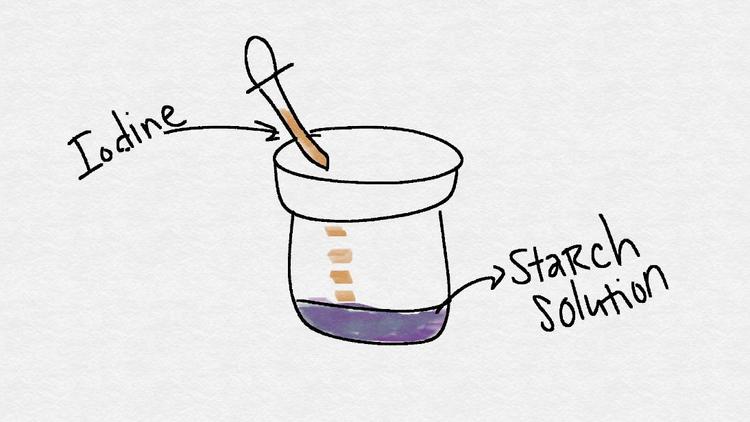
- Using a clean eye dropper, add the 2% iodine solution until it turns dark purple. Add it drop-by-drop.
- Repeat steps 17 - 20 in 3 more mason jars. You should have 4 jars with iodine solution inside.
-
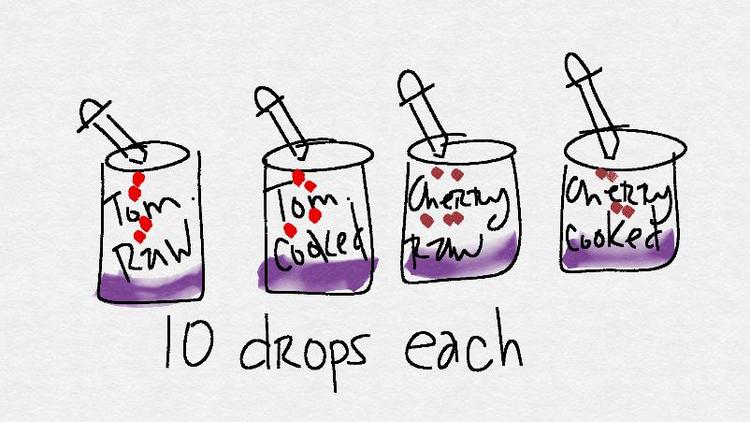
Label the jars with the extracts you intend to put inside. You should have jars with the following labels: "tomato - raw," "tomato - cooked", "cherry - raw," and "cherry - cooked."
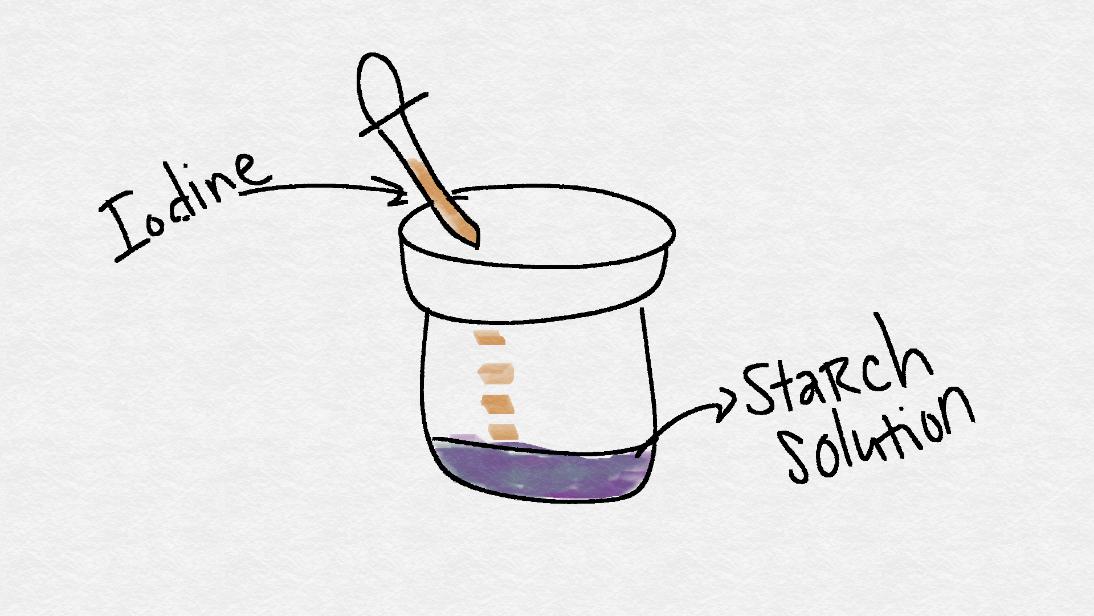
- When the starch solution is a dark purple color, get a new eyedropper.
- Squeeze up some of the "tomato - raw" solution into your dropper. Add 10 drops.
-
Repeat the process by adding 10 drops of the "tomato - cooked", "cherry - raw," and "cherry - cooked" to the starch solution. Be sure that you are adding each extract to a fresh jar of iodine / starch solution.
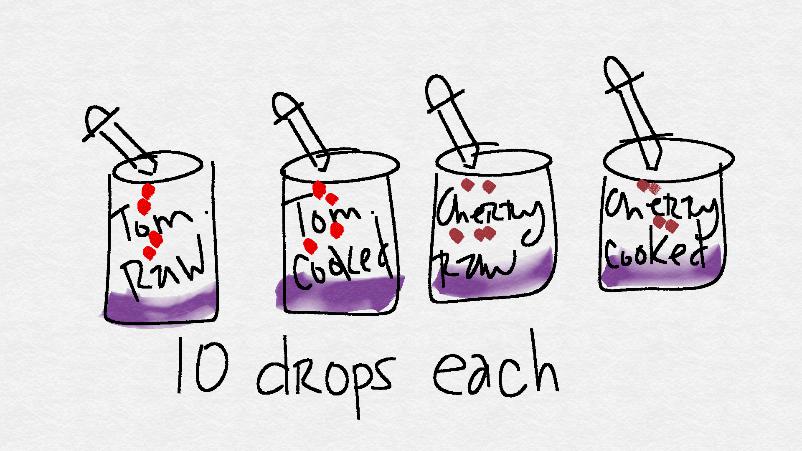
- When done, leave the jars next to each other for comparison and answer the discussion questions.

References
Related video
These videos explain the science behind this project and demonstrate key concepts used in the experiment.