Chlorine Concentration and Carbon Filter Lifespan
Hypothesis
Science Concepts Learned
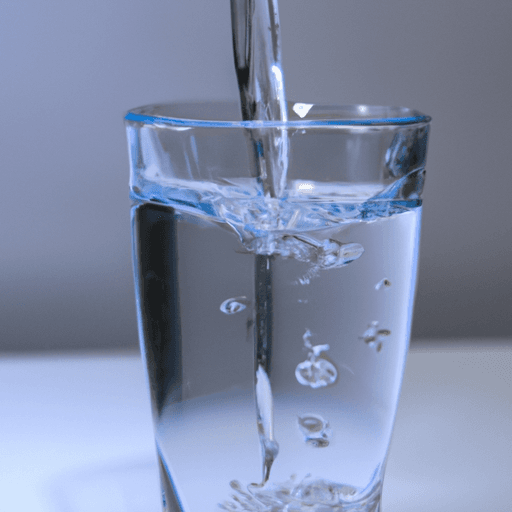
When water passes through an activated carbon filter, the tiny holes in the charcoal trap chlorine before it reaches the output. Over time, those holes fill up and the filter stops working. Higher chlorine concentrations fill the holes faster, so filters exposed to heavy doses fail sooner than those running on low-chlorine water.
Adsorption is when molecules stick to the outer surface of a solid. Activated carbon filters use this process to grab chlorine from water as it flows past the carbon granules. Once the surface fills up, new chlorine passes through without sticking, and the filter fails.
Water treatment plants add chlorine to tap water to kill germs — but carbon filters pull that chlorine back out. When exposed to higher chlorine concentrations, those filters wear out much faster. As the water runs through, DPD tablets reveal how much chlorine remains in the output, and once output levels match input levels, the filter has failed. Lower concentrations let the same filter last far longer, showing just how much of this germ-killing chemical our water carries.
Method & Materials
Tinker Crate — science & engineering build kits for ages 9–12 — real tools, real experiments, delivered monthly. (Affiliate link)
See what’s includedResults
Why do this project?
Also Consider
Full project details
Additional information and source material for this project are available below.Related Science Fair Project Ideas