

Transpiration Rates Across Six Plants
Medium
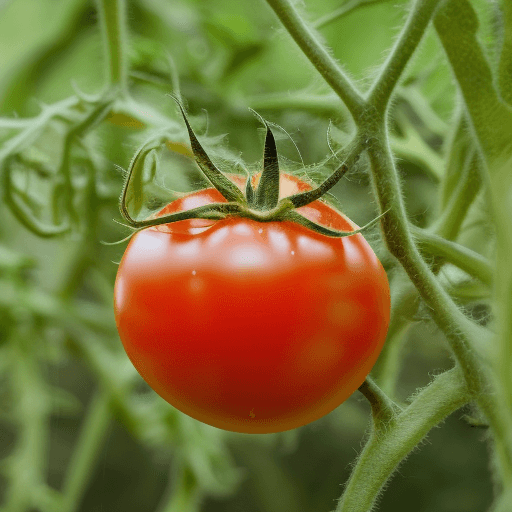
Which plant releases the most water vapor through its leaves? You build a plastic bubble around each of six different plants to trap the moisture they give off. This process is called transpiration (water loss through the plant surface). Each plant gets equal water and sunlight for seven days.
The coleus plant released the most moisture at 71.7 mL. The strawberry plant came second at 60.8 mL. The tomato plant placed third at 56.4 mL despite having the largest leaf surface area. Lettuce released the least at only 18.5 mL.
Hypothesis
The hypothesis is that the tomato plant will transpire at the greatest rate.
Science Concepts Learned
Transpiration
Which plant releases the most moisture through its leaves? To find out, you build a plastic bubble around each of six different plants, trapping the water vapor they give off. Each plant gets equal water and sunlight for seven days. When the time is up, the coleus plant has released the most moisture at 71.7 mL. The strawberry plant comes second at 60.8 mL. The tomato plant places third at 56.4 mL — despite having the largest leaf surface area. Lettuce releases the least, at only 18.5 mL.
Method & Materials
You will measure the transpiration given off from each individual plant by constructing a plastic bubble to fit around the plant to catch and withhold the transpired water vapor. Each plant will be given equal amounts of water and sunlight.
You will need six plants, a plastic bubble, water, and sunlight.
Tinker Crate — science & engineering build kits for ages 9–12 — real tools, real experiments, delivered monthly. (Affiliate link)
See what’s includedResults
The data recorded did not support the hypothesis of this experiment. The collia plant released the largest amount of water vapor, followed by the strawberry plant, the tomato, the four-o'clock, the black-eyed susan, and last the lettuce.
Why do this project?
This science project is interesting because it shows how different plants can have different rates of transpiration.
Also Consider
Experiment variations to consider include testing different types of plants or testing the plants in different climates.
Full project details
Additional information and source material for this project are available below.Related video
These videos explain the science behind this project and demonstrate key concepts used in the experiment.
Share this Science Project:
Related Science Fair Project Ideas
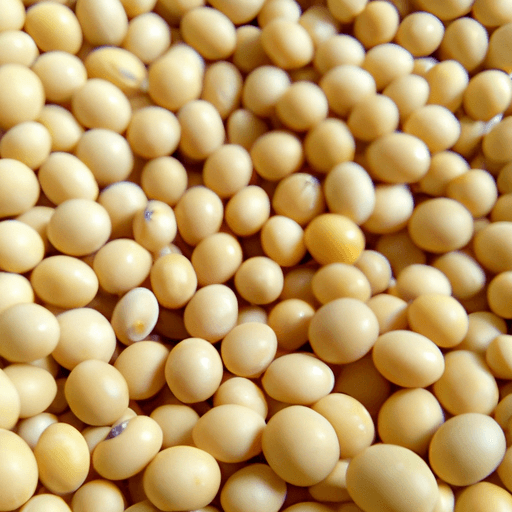
Sort soybean seeds by weight and test whether heavier or lighter seeds push through 10 centimeters of soil faster.
Medium
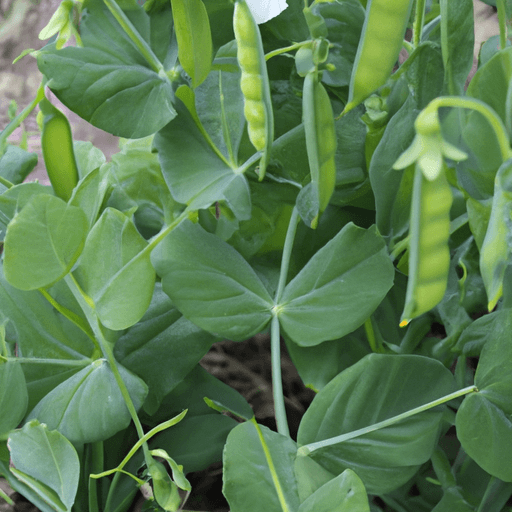
Plant pea seeds in 14 different soil samples and track which root diseases appear most often as the plants grow.
Medium
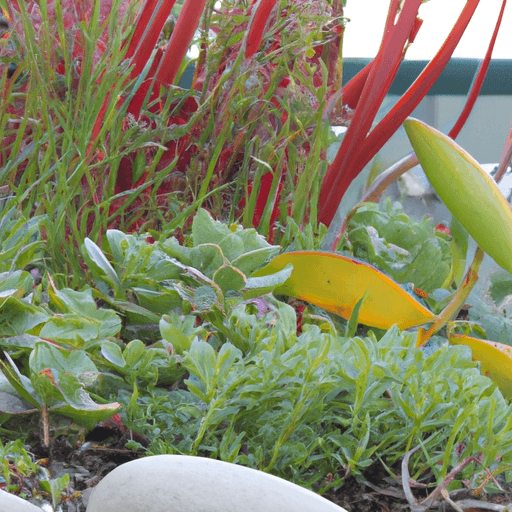
Clone a plant using leaf cuttings, stem cuttings, or layering and compare which method grows new roots first.
Medium
Share this Science Project: