Can a vibrating quartz crystal detect a virus? A quartz crystal microbalance (QCMB) measures tiny changes in mass on its surface. When something sticks to the crystal, its vibration frequency drops.
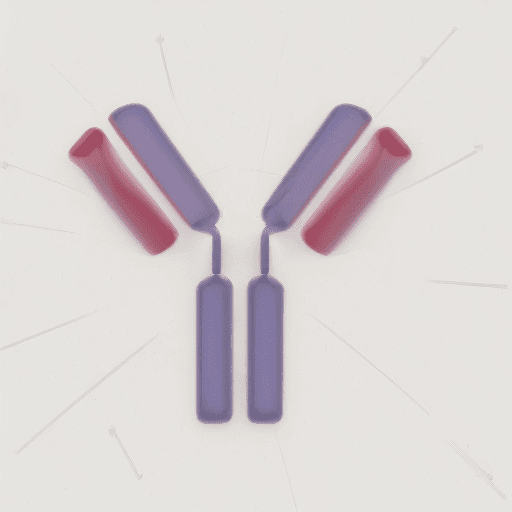
You coat the crystal surface with antibodies (proteins that grab specific targets) designed to catch baculovirus particles. When virus particles land on the antibodies, the crystal vibrates slower. The frequency change tells you how much virus is present.
The biosensor responds in a straight line across a useful range of virus concentrations. A cleaning mixture of acids and salts with EDTA can regenerate the antibody surface. This allows over 10 reuses without losing detection ability.
Hypothesis
The hypothesis is that the quartz crystal microbalance will be able to detect the presence of the baculovirus via the gp64 antigen.
A biosensor detects chemicals or germs by pairing a biological sensor with a physical detector. In this experiment, antibodies coat the surface of a quartz crystal and act as the biological sensor — capturing any virus particles that pass over them. As virus particles bind to those antibodies, the crystal's vibration frequency drops, and the size of that drop reveals how much virus is present.
Antibodies are proteins your body produces to locate and bind to specific germs. In this biosensor experiment, antibodies engineered to capture baculovirus are coated onto a quartz crystal surface. As virus particles attach to the antibodies, the crystal's vibration slows — and by measuring that change, researchers can determine how much virus is present.
Method & Materials
You will use self-assembled monolayers to modify the surface of a quartz crystal, and antibodies against the baculovirus coat protein gp64 will be immobilized on a SAM that contains an N-hydroxysuccinimide (NHS) group. Additionally, you will screen a series of reagents to identify a combination that efficiently disrupts the antibody antigen interaction without damaging the bound antibody.
You will need a quartz crystal microbalance, self-assembled monolayers, antibodies against the baculovirus coat protein gp64, and a series of reagents.
Eureka Crate — engineering & invention kits for ages 12+ — monthly projects that build real-world skills. (Affiliate link)
The results of this project showed that the quartz crystal microbalance successfully and rapidly detected the presence of the baculovirus via the gp64 antigen. The biosensor showed a remarkably linear response, in the range of 10E6 to 10E7 pfu per mL. Additionally, a mixture of acids, salts, and EDTA could completely regenerate the antibody and permitted more than 10 uses without any apparent loss in antibody capacity.
Why do this project?
This science project is unique because it uses a quartz crystal microbalance to detect the presence of a baculovirus, which is of particular interest to many in the pharmaceutical and pesticide industries.
Also Consider
Experiment variations to consider include testing different types of viruses and using different reagents to regenerate the antibody.
Full project details
Additional information and source material for this project are available below.