

Luminescent Bacteria and Ocean Glow
Medium
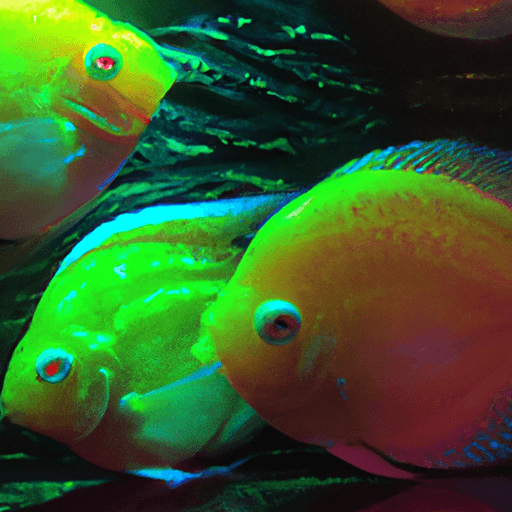
Can bacteria glow in the dark? Some ocean bacteria turn chemical energy into light. They live inside marine animals like the flashlight fish. Packed tightly in a special organ, they make the whole fish glow.
You streak these bacteria onto an agar plate using a toothpick. Draw a word or picture with the bacteria. Then seal the plate and leave it at room temperature for two to three days.
After the bacteria grow, take the plate into a dark room. Wait for your eyes to adjust. Your drawing glows on the plate.
Hypothesis
The hypothesis is that luminescent bacteria will grow and glow on an agar plate.
Science Concepts Learned
Bioluminescence
Bioluminescence is the light that living things make inside their own bodies. This project tests whether luminescent bacteria will grow and glow on an agar plate.
Method & Materials
You will streak luminescent bacteria on an agar plate, wrap it in parafilm, and leave it at room temperature for several days.
You will need a plate with luminescent bacteria, agar plates, toothpicks, and parafilm.
Eureka Crate — engineering & invention kits for ages 12+ — monthly projects that build real-world skills. (Affiliate link)
See what’s includedResults
After several days, you should be able to see the luminescent bacteria glowing on the agar plate. This is an amazing observation that shows how bacteria can convert chemical energy into light.
Why do this project?
This science project is unique because it allows students to observe luminescent bacteria in action. It is also interesting because it explores the potential advantages of producing light for bacteria.
Also Consider
Experiment variations to consider include using different types of bacteria or different types of agar plates.
Full project details
Additional information and source material for this project are available below.Share this Science Project:
Browse by Grade
Featured In
Related Science Fair Project Ideas
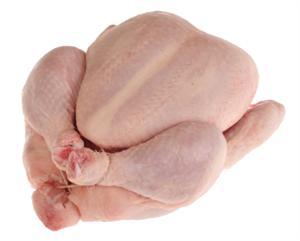
Swab fresh, frozen, and irradiated chicken onto agar plates and measure which processing method leaves the fewest bacteria behind.
Medium
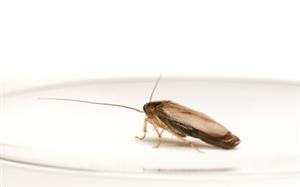
Let four insects walk across agar dishes and measure which one leaves behind the largest colony of bacteria after five days.
Medium
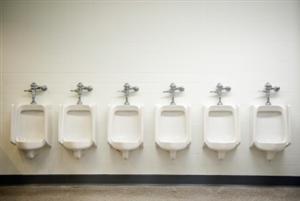
Swab five waterless and five water-based urinals, grow the bacteria in petri dishes, and measure which type produces larger colonies.
Medium
Share this Science Project: