

Soap Bubbles Floating on Carbon Dioxide
Medium
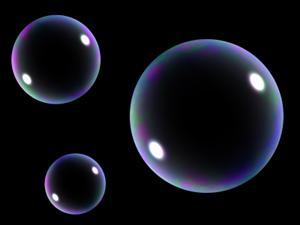
Can soap bubbles float longer if the air beneath them is heavier? You fill one aquarium with carbon dioxide by mixing vinegar and baking soda inside it. A second aquarium holds regular air. Then you blow five soap bubbles into each tank and time how long they stay afloat.
Bubbles in the carbon dioxide tank float for about 35 seconds on average. Bubbles in regular air drop in about 14 seconds.
Hypothesis
The hypothesis is that soap bubbles will stay afloat longer in carbon dioxide than in air.
Method & Materials
You will need two empty aquariums, soap powder, water, a bubble blowing toy, vinegar, sodium bicarbonate, and a stopwatch. You will mix the soap and water, blow bubbles into the tanks, and record the time it takes for the bubbles to drop.
You will need two empty aquariums, 100 grams of soap powder, 1 liter of water, a bubble blowing toy, a small plastic container, 200 ml of vinegar, 100 ml of sodium bicarbonate, 1 glass bowl, and 1 stopwatch.
MEL Physics — hands-on physics experiment kits delivered monthly — real experiments, not just reading. (Affiliate link)
See what’s includedResults
The results show that the bubbles in the tank filled with carbon dioxide remain afloat for a longer period of time compared to the bubbles in the tank filled with regular air. This proves that the hypothesis is true.
Why do this project?
This science project is interesting because it is a fun and inexpensive way to explore the fascinating world of soap bubbles. It also shows how air density affects the length of time a soap bubble can stay afloat.
Also Consider
Consider repeating this experiment by using dry ice placed in a large wok, to create a layer of carbon dioxide gas on top of which the bubbles will float. Try to compare the results by repeating the experiment using helium gas instead of carbon dioxide.
Full project details
Additional information and source material for this project are available below.Related videos
These videos explain the science behind this project and demonstrate key concepts used in the experiment.
Share this Science Project:
Browse by Grade
Featured In
Related Science Fair Project Ideas

Charge glow-in-the-dark stickers with four different lamps and discover which type of light keeps them glowing longest.
Medium
Press your finger on glasses at six different temperatures, then dust with cocoa powder to see which surface captures the clearest print.
Medium
Drill a hole in a metal cup and time how long sugar-water solutions of increasing strength take to drain through it.
Medium
Share this Science Project: