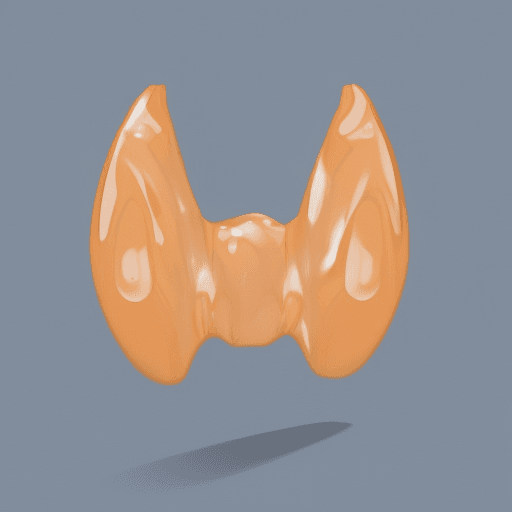
What drives the painful eye swelling in Graves' disease? Patients with Thyroid Associated Ophthalmopathy (TAO) have high levels of Prostaglandin E2 (PGE2) in their eye tissues. PGE2 is a molecule that promotes inflammation.
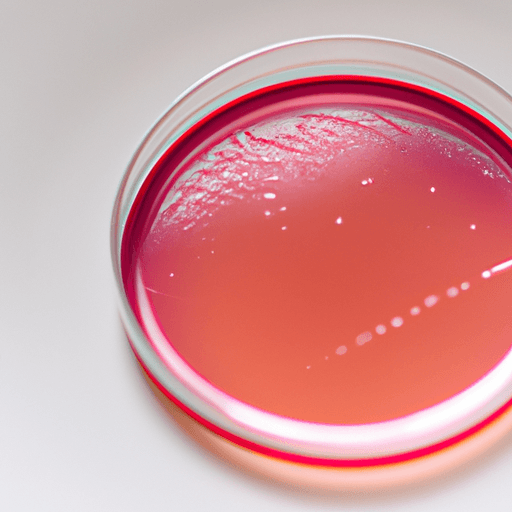
You culture three types of cells in petri dishes:
- Graves' orbital fibroblasts
- normal orbital fibroblasts
- dermal fibroblasts (control)
After two weeks you treat each cell type with different cytokines (immune signaling molecules). Then you measure PGE2 levels using a western blot and ELISA protocol.
The Th2 cytokine IL-4 significantly increases PGE2 levels. TGF-B actually inhibits PGE2, which was unexpected. Both IL-4 and IL-1B share a sixteen-hour optimal response time.
Hypothesis
The hypothesis is that TGF-B has the potential to inhibit PGE(2) and that IL-4 has a significant relationship with the up-regulation of PGE(2).
Cell culture also lets researchers compare how different cell types respond to the same chemical signals. In one experiment, three cell types — Graves' orbital fibroblasts, normal orbital fibroblasts, and dermal fibroblasts as a control — grow in petri dishes for two weeks. Treating each type with cytokines (immune signaling molecules) after the culture period reveals that the Th2 cytokine IL-4 significantly increases PGE2 levels.
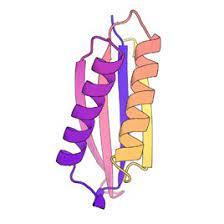
Cytokines are tiny proteins that cells release to coordinate the behavior of neighboring cells. Some trigger inflammation, while others suppress it. In one experiment, researchers treat orbital fibroblasts with several cytokines and measure the resulting PGE2 levels. The Th2 cytokine IL-4 significantly increases PGE2, a molecule that promotes inflammation. TGF-B, by contrast, inhibits PGE2 production — demonstrating that different cytokines can send opposite instructions to the same target cell.
Method & Materials
You will experiment with three types of cells: Graves# orbital fibroblasts, normal orbital fibroblasts, and dermal fibroblasts (control). You will culture each type of cell in petri dishes for two weeks and then treat them with each cytokine at different time intervals.
You will need petri dishes, cytokines, lysing and scraping tools, protein assay materials, and a PGE(2) Elisa Kit Protocol.
Eureka Crate — engineering & invention kits for ages 12+ — monthly projects that build real-world skills. (Affiliate link)
Our research experiment has led to significant insights concerning the mechanisms that lie behind TAO. Contrary to expectations, TGF-B was found to exhibit the potential to inhibit PGE(2). On the other hand, a significant relationship between the Th2 cytokine IL-4 and the up-regulation of PGE(2) was established.
Why do this project?
This science project is unique because it disproves the query that only Th1 cells are responsible for significant up-regulation of PGE2 and identifies another cytokine important for the progression of TAO.
Also Consider
Experiment variations to consider include testing different cytokines and different time intervals for treatment.
Full project details
Additional information and source material for this project are available below.