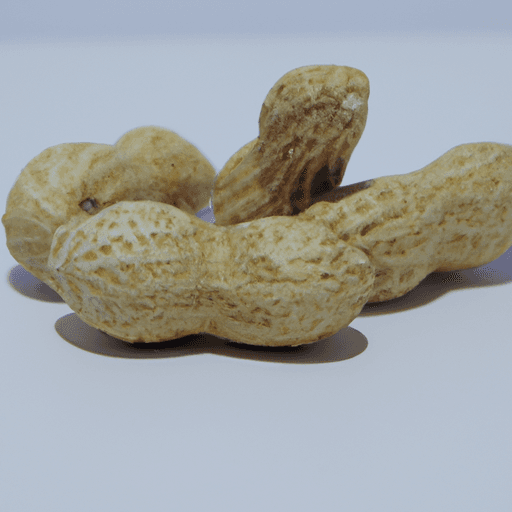
How common is peanut allergy among young people in the United Kingdom? Roughly 1 in 50 seven-year-olds in one large study showed an allergy to peanuts or tree nuts.
This research follows about 14,000 participants from birth. Researchers use skin prick tests and food challenges to identify genuine allergies. Medical histories provide additional evidence. Umbilical cord blood samples check whether sensitization was present at birth.
The cord blood showed no signs of peanut allergy at birth. That means sensitization develops sometime after. About 40 percent of peanut-allergic participants also reacted to tree nuts. One third outgrew their peanut allergy before age five.
Eczema in early infancy was linked to higher allergy risk. Skin creams containing peanut oil applied to rashes may play a role. A possible connection to soya formula in infancy was also found.
Hypothesis
The hypothesis is that environmental and immunological factors influence the development of peanut allergy.
Food allergy means the body treats a safe food like a harmful germ, and this study measures how often that response targets peanuts in UK youth. Researchers follow about 14,000 participants from birth and use skin prick tests and food challenges to confirm genuine allergic reactions. They find roughly 1 in 50 seven-year-olds reactive to peanuts or tree nuts, with about 40 percent of peanut-allergic participants also reacting to tree nuts.
In a peanut allergy, the immune response mistakes a harmless food protein for a germ and fights it as if you were sick. This study tracks about 14,000 participants from birth using skin prick tests, food challenges, and medical histories to identify genuine allergic responses. Umbilical cord blood showed no signs of sensitization at birth — meaning the reaction develops sometime after. About 40 percent of peanut-allergic participants also reacted to tree nuts, and one third outgrew their peanut allergy before age five.
This study applies epidemiology directly — tracking how often peanut allergy occurs and which young people are affected. About 14,000 participants are followed from birth, the kind of large group needed to measure how diseases spread through a population. Skin prick tests, double blind placebo controlled food challenges, and medical histories identify genuine allergies. Umbilical cord blood checks whether sensitization was already present at birth. The cord blood showed no signs of peanut allergy at birth, meaning sensitization develops sometime after. The result: roughly 1 in 50 seven-year-olds in the UK reacted to peanuts or tree nuts.
A skin prick test places a tiny drop of allergen on the skin to check whether the immune system reacts. In this UK study, roughly 14,000 participants were followed from birth, with skin prick tests working alongside food challenges and medical histories to identify genuine peanut allergies. When researchers analyzed umbilical cord blood, they found no signs of sensitization at birth — meaning the allergic response develops sometime after.
Method & Materials
You will analyze medical histories, skin prick tests, and double blind placebo controlled food challenges to determine the prevalence of peanut allergy. You will also analyze umbilical cord blood to investigate whether evidence of sensitization to peanut was already present at birth.
You will need medical histories, skin prick tests, double blind placebo controlled food challenges, and umbilical cord blood.
Eureka Crate — engineering & invention kits for ages 12+ — monthly projects that build real-world skills. (Affiliate link)
Our research found that peanut and/or tree nut allergies affect almost 2% of UK children, and that one third of children with peanut allergy had outgrown their peanut allergy before the age of five. We also found that peanut allergy was associated with eczema and rashes in early infancy, and that the immune cells of peanut allergic children responded to peanut protein more rapidly than in non-allergic children.
Why do this project?
This project is unique because it is investigating the prevalence of peanut allergy in UK children and the factors that influence its development.
Also Consider
Experiment variations to consider include investigating the prevalence of peanut allergy in other countries, and exploring the effects of different environmental factors on the development of peanut allergy.
Full project details
Additional information and source material for this project are available below.