pGLO Plasmid Bacterial Transformation

Hypothesis
Science Concepts Learned
DNA carries instructions as genes, and scientists can move those instructions between organisms. A plasmid — a small ring of DNA — carries two genes at once: one for antibiotic resistance and one for producing a fluorescent protein. When bacteria receive this foreign DNA, they gain both traits, proving that DNA functions as a transferable code.
Bacterial transformation requires a mechanism for moving DNA through the cell membrane. You mix E. coli with cold calcium chloride and the plasmid DNA, then heat-shock the cells at 42 degrees Celsius for 50 seconds. The sudden temperature change opens tiny pores in the membrane, letting the plasmid slip inside.
A plasmid is a small ring of DNA that gives bacteria extra abilities beyond what their main chromosome provides. In this experiment, you insert the pGLO plasmid into E. coli. Because the plasmid carries genes for both ampicillin resistance and a fluorescent protein, successfully transformed colonies will glow under the right conditions.
Antibiotic resistance happens when bacteria gain the ability to survive a drug that once killed them — and one way to study that is by introducing the trait directly. In this experiment, you add foreign DNA in the form of a pGLO plasmid to E. coli. That plasmid carries two genes: one that makes the bacteria resistant to ampicillin, and one that produces a fluorescent protein activated by arabinose sugar. After mixing E. coli with cold calcium chloride and the plasmid DNA, you heat-shock the cells at 42 degrees Celsius for 50 seconds, then spread them onto agar plates containing ampicillin and arabinose. The hypothesis predicts the bacteria will be transformed into an ampicillin-resistant strain — and transformed colonies, viewed under a UV lamp, will glow.
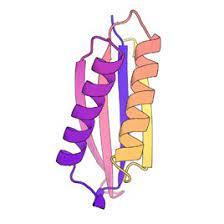
Green fluorescent protein is a glowing molecule that scientists use as a visual signal inside living cells. In this experiment, you introduce the pGLO plasmid into E. coli bacteria — and when the transformation succeeds, the resulting colonies produce a fluorescent protein activated by arabinose sugar, making them visibly glow under the right conditions.
Heat shock uses a quick temperature change to open tiny pores in bacterial cell membranes, allowing DNA to slip through and enter the cell. In this experiment, you heat-shock the cells at 42 degrees Celsius for 50 seconds — just long enough to push the pGLO plasmid into E. coli.
Method & Materials
Eureka Crate — engineering & invention kits for ages 12+ — monthly projects that build real-world skills. (Affiliate link)
See what’s includedResults
Why do this project?
Also Consider
Full project details
Additional information and source material for this project are available below.Related videos
Browse by Grade
Related Science Fair Project Ideas