
7 DIY Lava Lamp Projects & Science of Lava Lamps
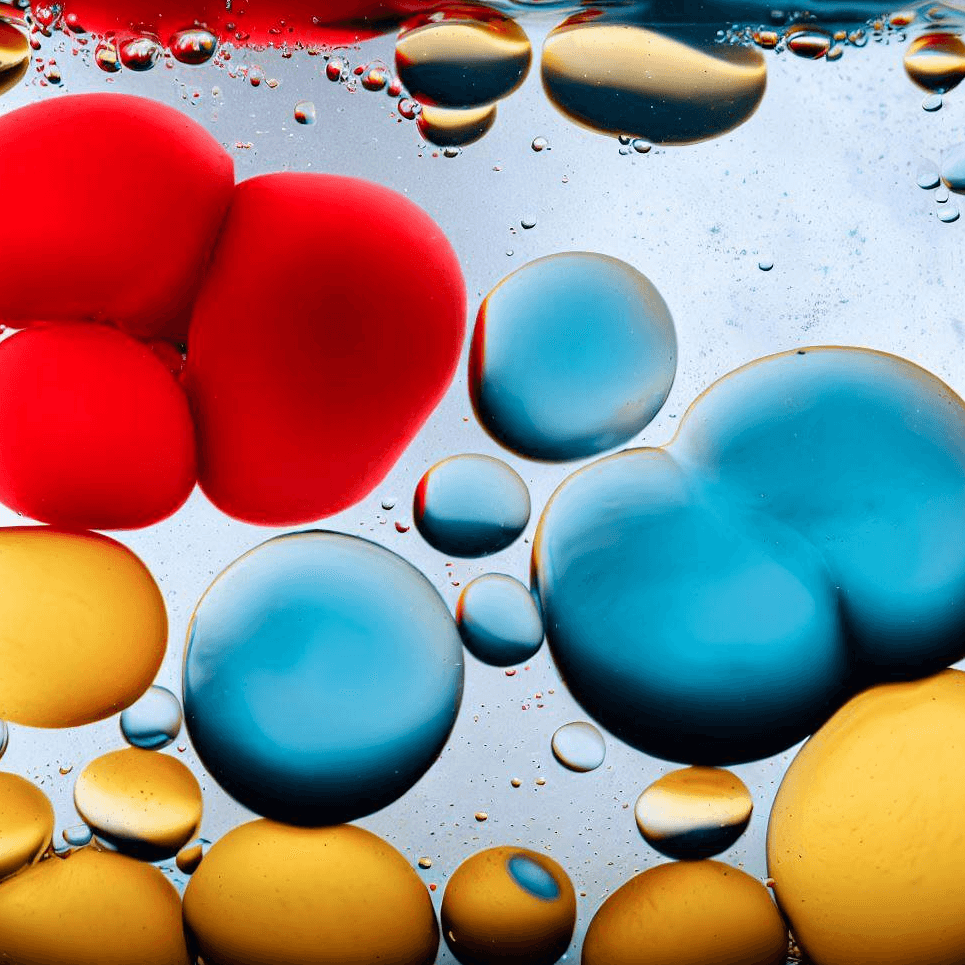
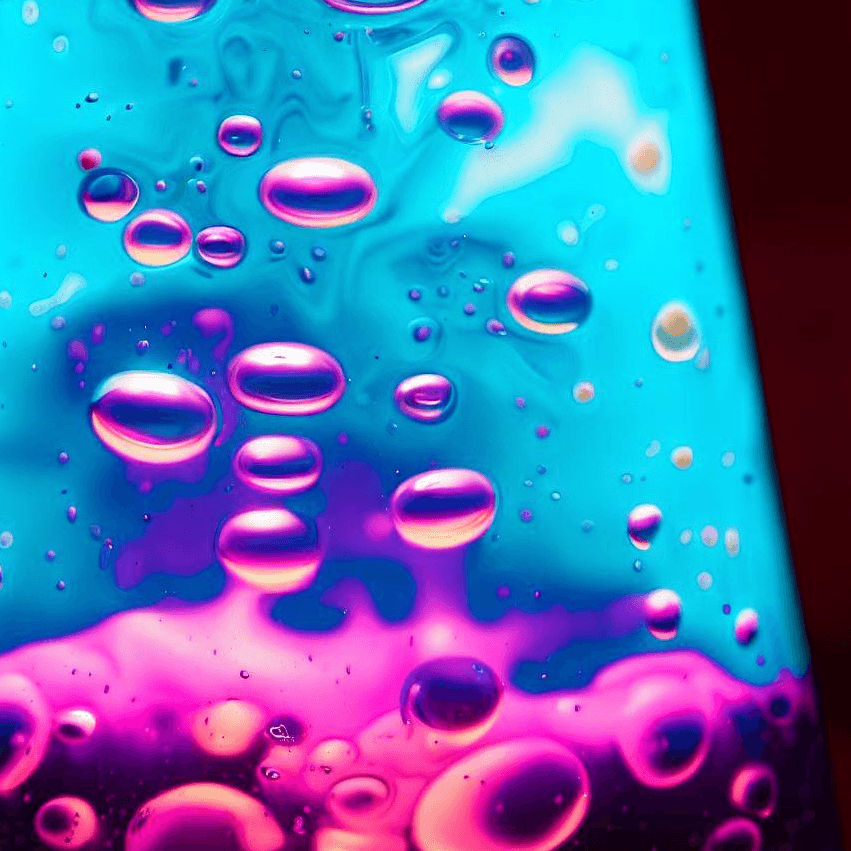
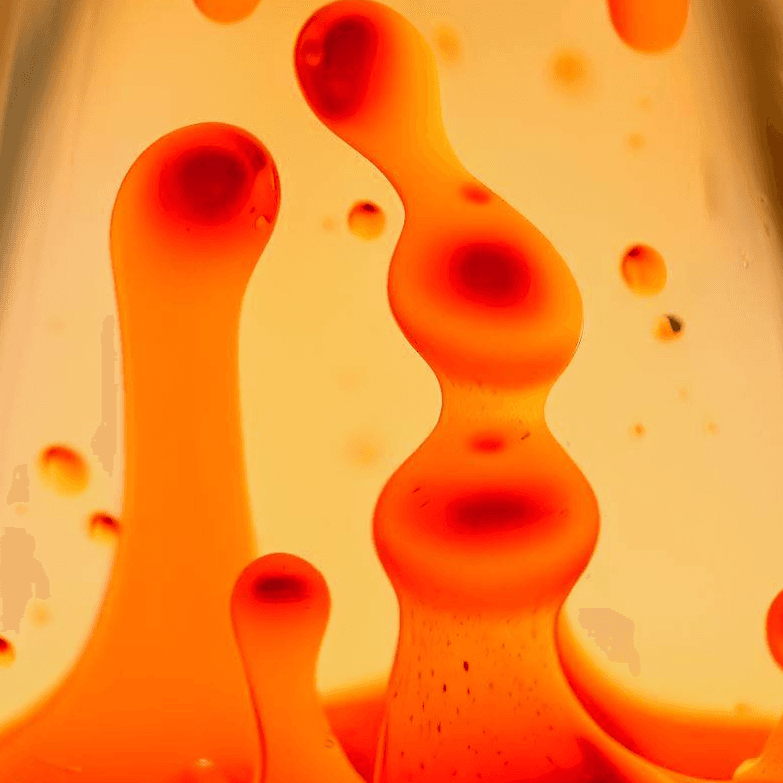
What's the science behind the homemade lava lamp?
How does the DIY lava lamp work? Let's look into the scientific concepts behind the lava lamp effect in these mesmerizing experiments!
Water and vegetable oil
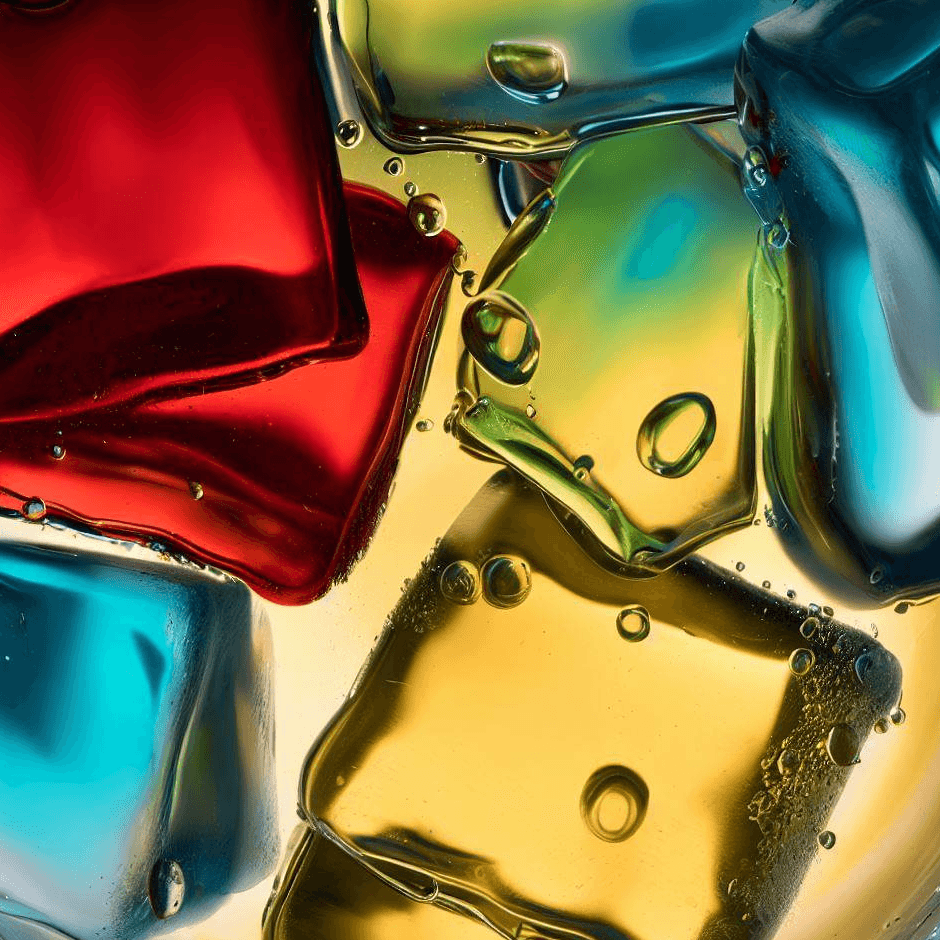
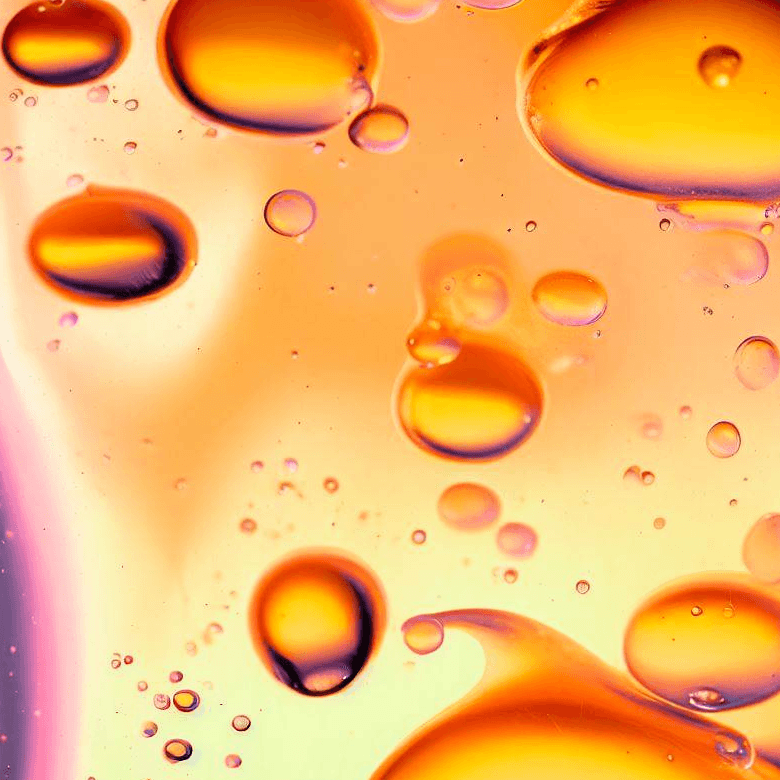
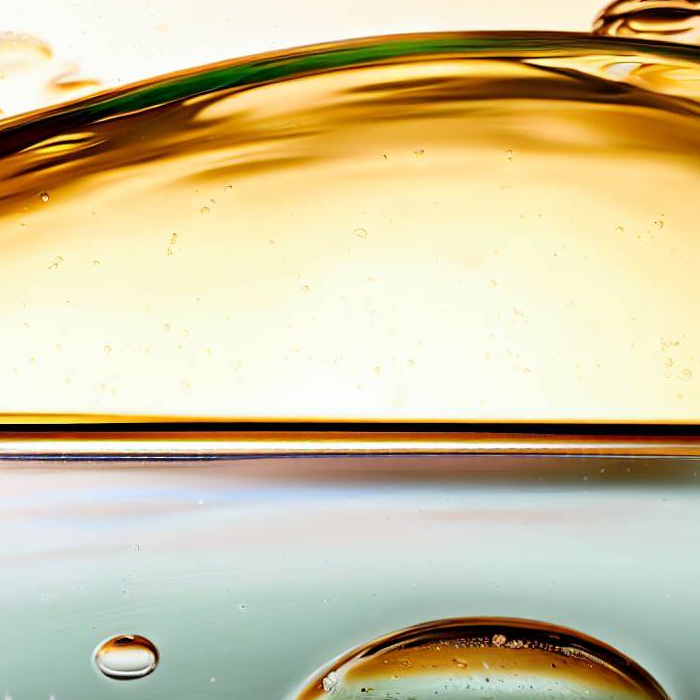 When water and vegetable oil are poured together, they layer on top of each other and do not mix. This is because oil molecules are non-polar, while water is a polar molecule. The vegetable oil floats on top of the water because oil is less dense than water.
Some lava lamps use baby oil instead of cooking oil, as clear baby oil doesn't have the yellow tinge of cooking oil. But all kinds of oils will work as the density needs to be lower than water.
The food coloring dissolves into water and not into oil because food coloring is polar. The colored water helps us see the water droplets moving in the oil.
Bubbles
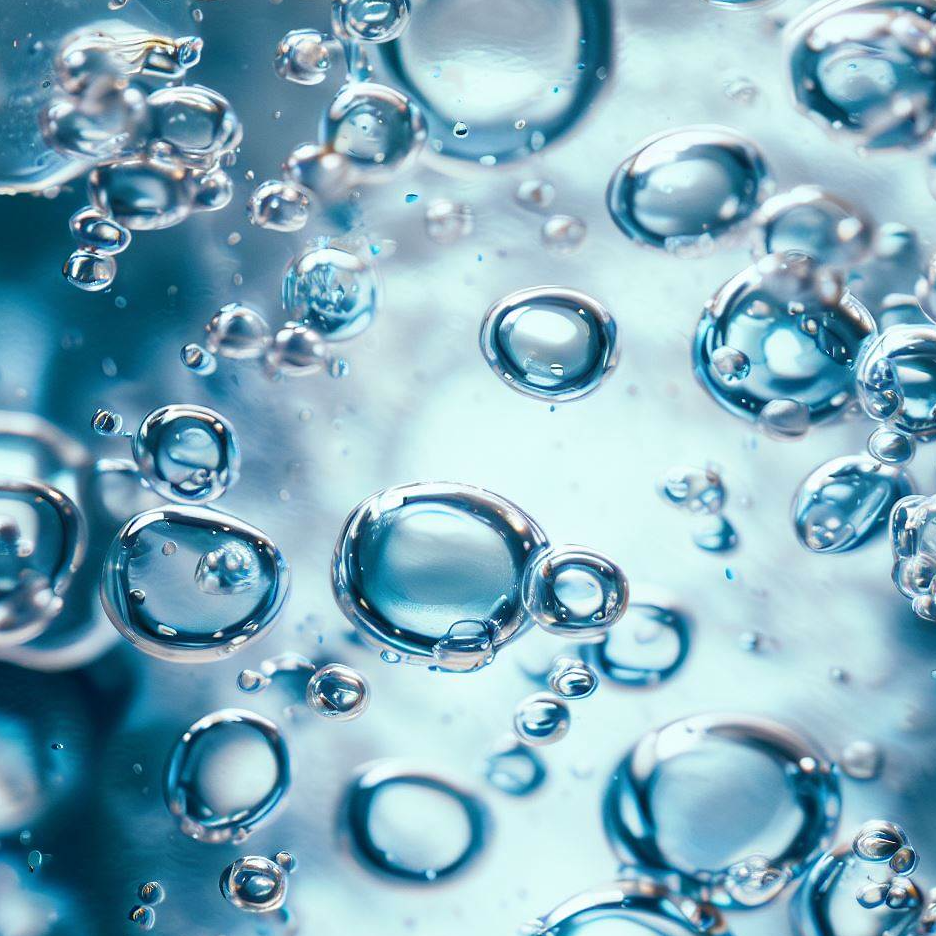 The lava lamp science experiments that involve bubbles generate carbon dioxide gas bubbles from an Alka-seltzer tablet reacting with water, or by the chemical reaction between baking soda and vinegar. Baking soda (sodium bicarbonate is the chemical name) reacts with vinegar (acetic acid is the chemical name) to make carbon dioxide gas and water.
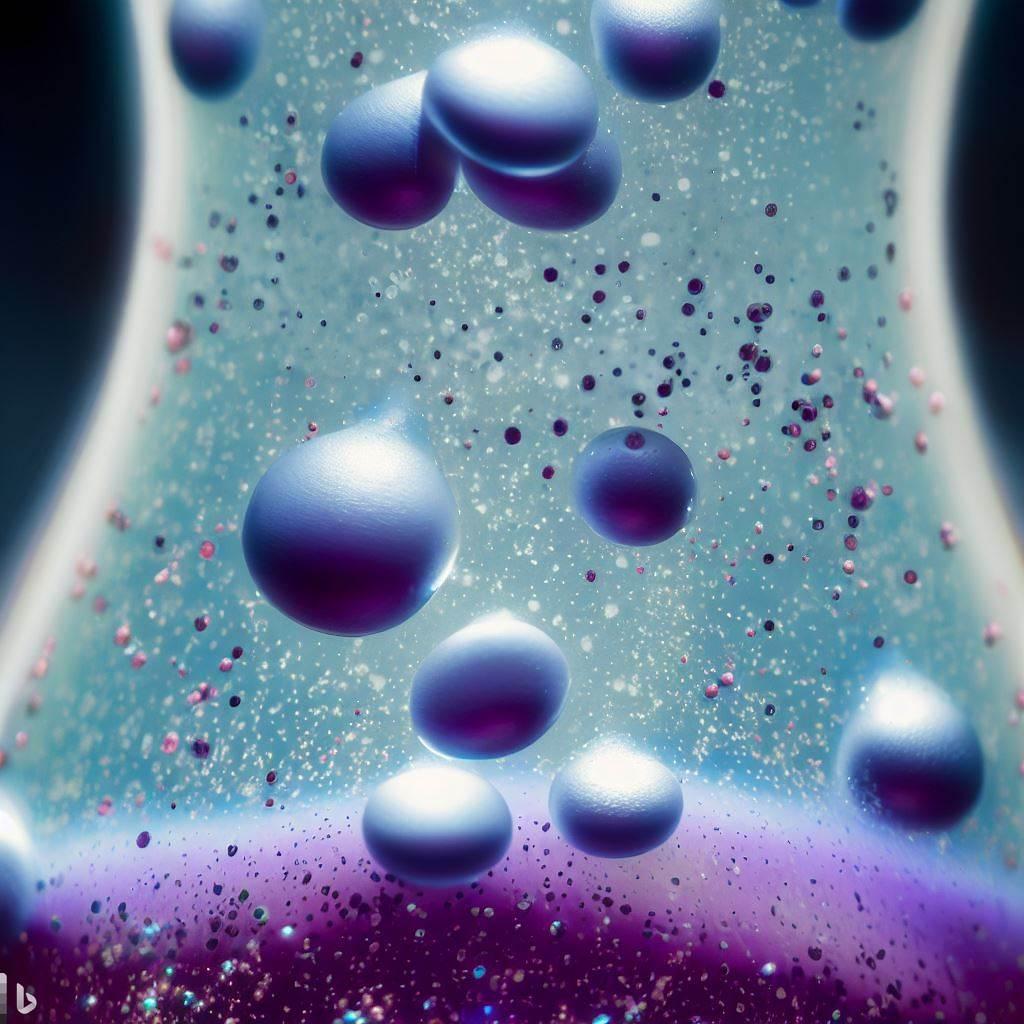
When bubbles are created in the water layer by an Alka-seltzer tablet or the baking soda and vinegar reaction, the bubbles surround water droplets. The total density of water droplets surrounded by gas is lower than the density of oil, so it moves upwards through the oil. At the top of the oil, the carbon dioxide gas escapes. When the gas escapes, the water droplet that was part of the bubble will then have a higher total density than oil, causing the water droplet to sink.
When more bubbles are made from breaking the whole tablet of Alka-seltzer into smaller pieces or adding more baking soda and vinegar, there will be more movement of the lava.
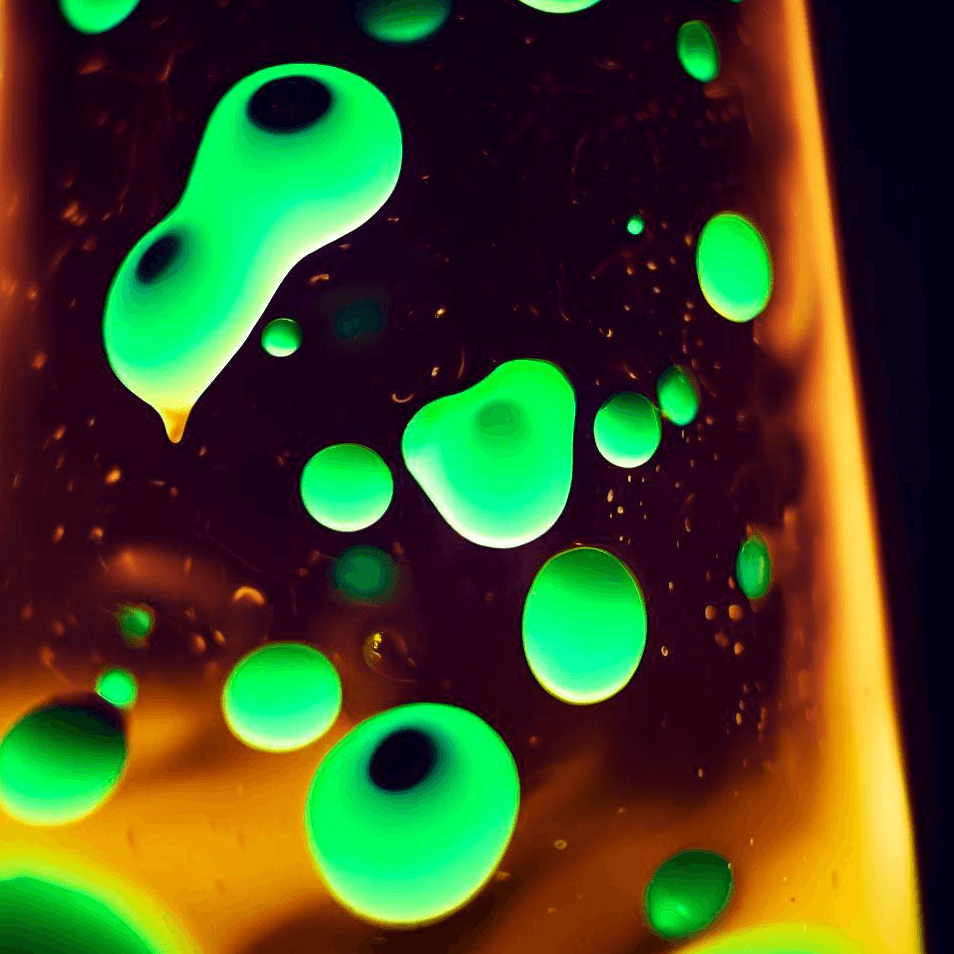
The mesmerizing lava lamp effect is created as the cycle of colored water droplets move up to the surface of the oil and then sink down to the bottom of the oil layer.
Salt
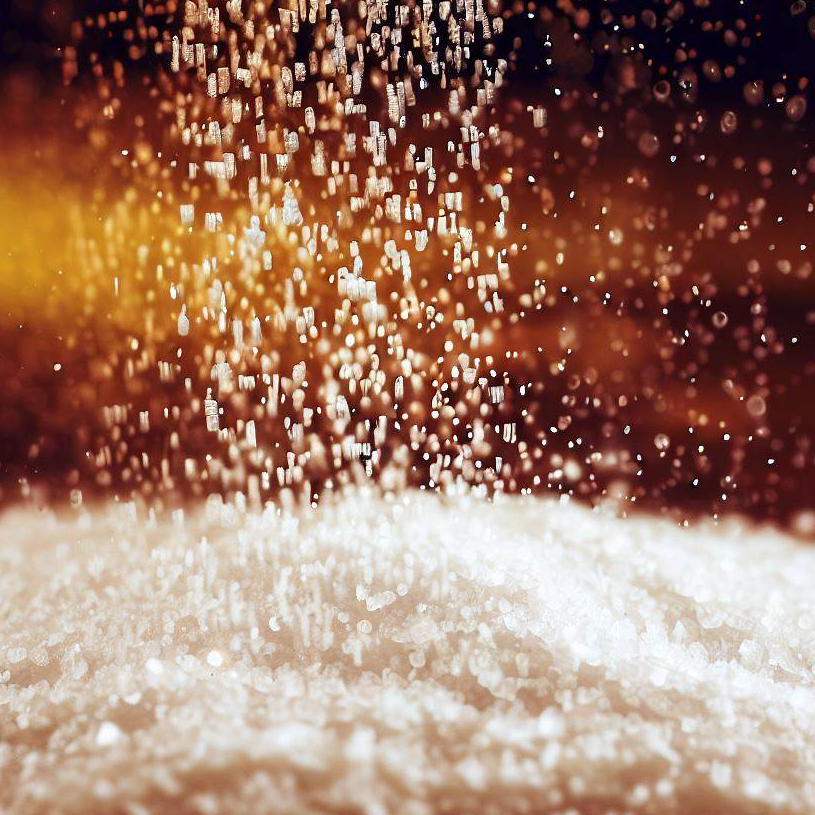 The salt volcano lava lamp experiment also uses a layer of water and a layer of oil to achieve the lava lamp effect, but it uses the opposite reaction than the bubbles! Instead of the reaction moving water up to the oil layer, the reaction with salt moves oil down to the water layer!
When salt is added to the the layered oil and water, it will sink from the layer of oil all the way to the bottom of the layer of water because salt has a higher density than oil and water.
Oil has a lower density than water, but when salt passes through the oil, it gets coated by the oil, and together they have a higher total density than water. As a result, the salt and oil sink together in the water. When the salt dissolves into the water, the oil droplet now has a lower total density than water, causing it to rise swiftly back into the oil layer.
By adding salt rapidly to the oil and water, more oil becomes trapped in the water layer, intensifying the lava lamp effect. Moreover, to keep the lava lamp going, simply continue adding more salt once the initial reaction stops.
Now you know all the amazing science behind lava lamps!
More related science projects
 You can do edible science projects like making rock candy, baking bread and exploring how colors affect taste. It's a delicious way to learn about biology, chemistry, nutrition, and psychology. Browse edible projects.
 Explore the wonder and excitement of these STEM projects! Each of these only need a few items you may have at home, so it's an easy and fun way to teach kids about STEM! Browse STEM projects.
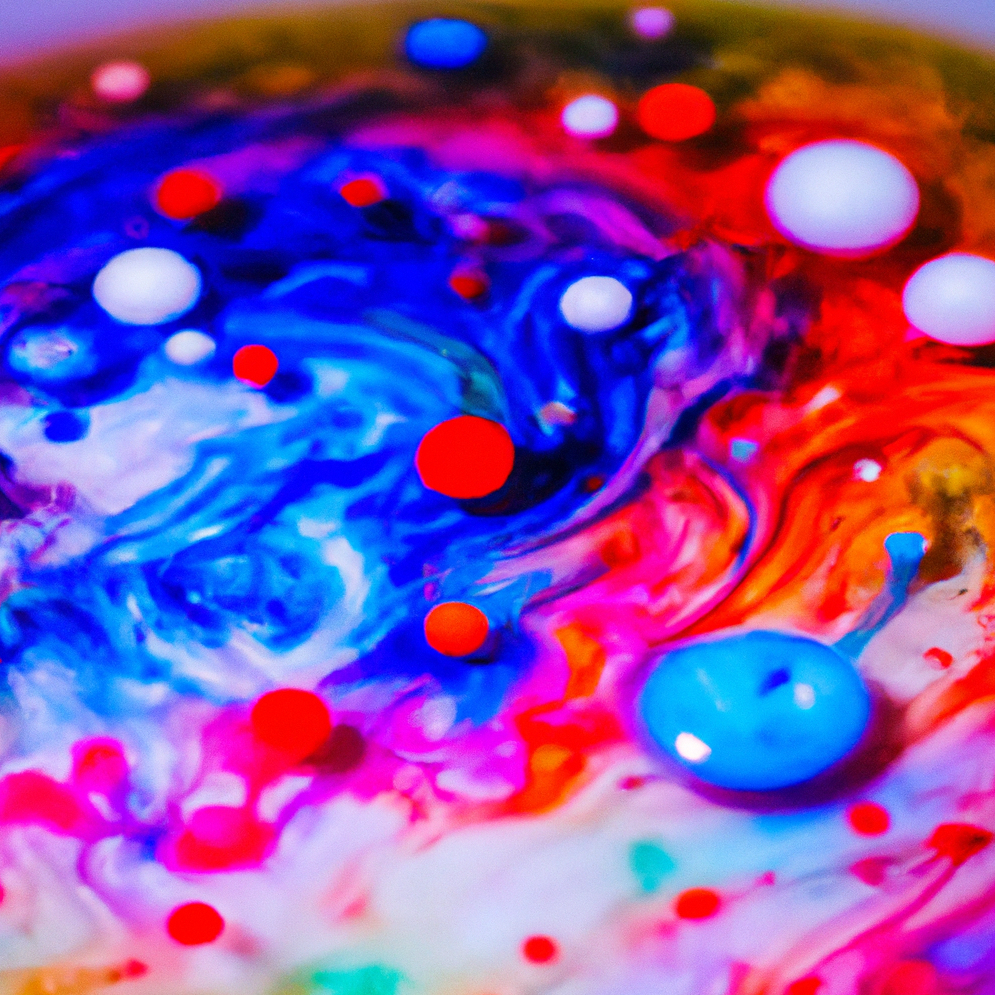 Discover cool experiments with milk, such as making plastic from milk or creating a magic milk painting!
 Try out food science experiments with eggs, lemon, potatoes, candy and more!
Explore more chemical reactions with chemistry science projects!
 Biology is the study of living things and how they work. Browse biology projects
 Physics is the study of how the universe works. Discover the forces and motions that give rise to volcanic eruptions! Browse physics projects.
 Engineering is all about solving problems using science and math. Browse engineering projects.