18 Summer Science Experiments
Summer is a season filled with sunshine and endless opportunities for play, and it's also a perfect time to explore science projects! Dive into the science behind swimming faster, unravel the mysteries of seashells, understand how sunscreen works, and even explore the science behind playing video games. Let these summer science projects ignite your cusriosity that will make your summer even more enjoyable!
Browse Summer Science Experiments
Check out all the different summer projects with complete instructions and videos. They're great for students' science fair projects or a fun way for kids to learn science!
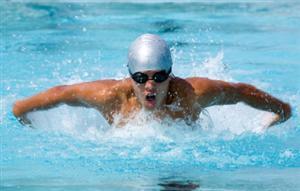
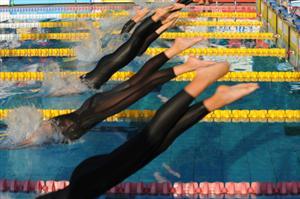
Time swimmers racing 100 meters with and without caps to find out whether a swimming cap actually makes a speed difference.
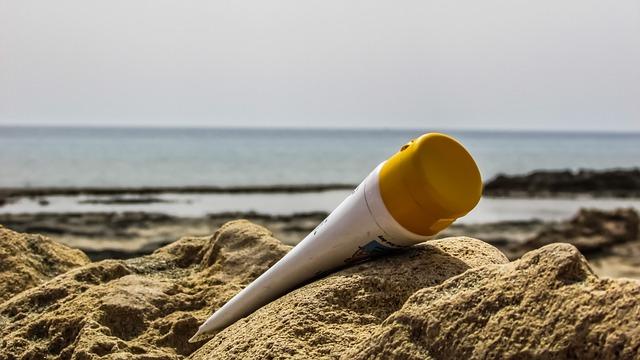
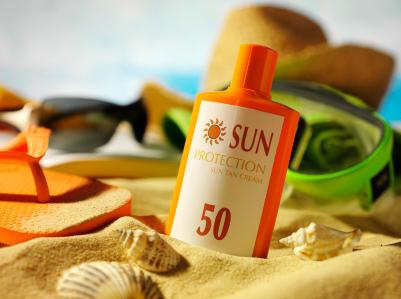
Place developing paper under four sunblocks with different SPF ratings. You may find that how much you apply matters more than the number on the bottle.
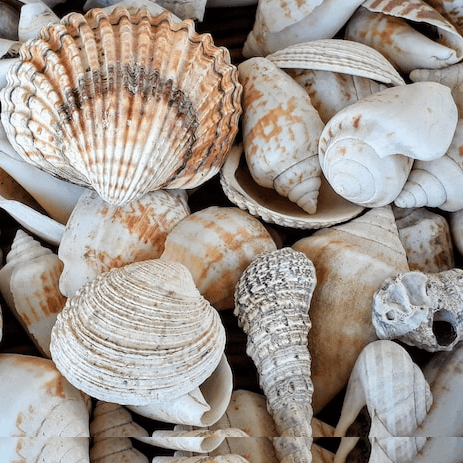
Place one seashell in vinegar and another in water, then check back in a week to see which one dissolves.
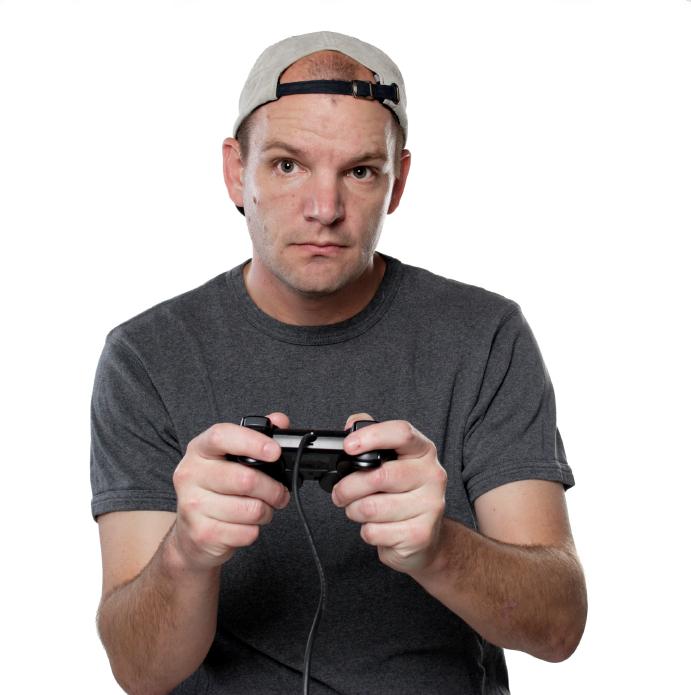
Track blood pressure before and after solo and competitive video game sessions to see how gaming changes what your body does.
Compare water bills from coastal and inland families to see whether ocean proximity changes consumption.
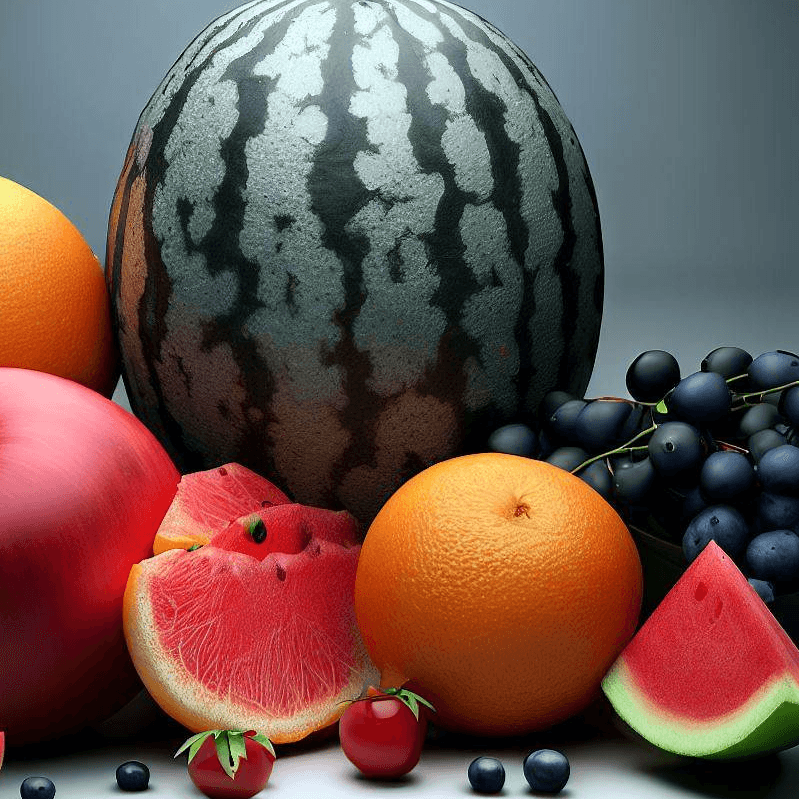
Pick a fruit to match each planet's size and line them up to see how the solar system is spaced out.
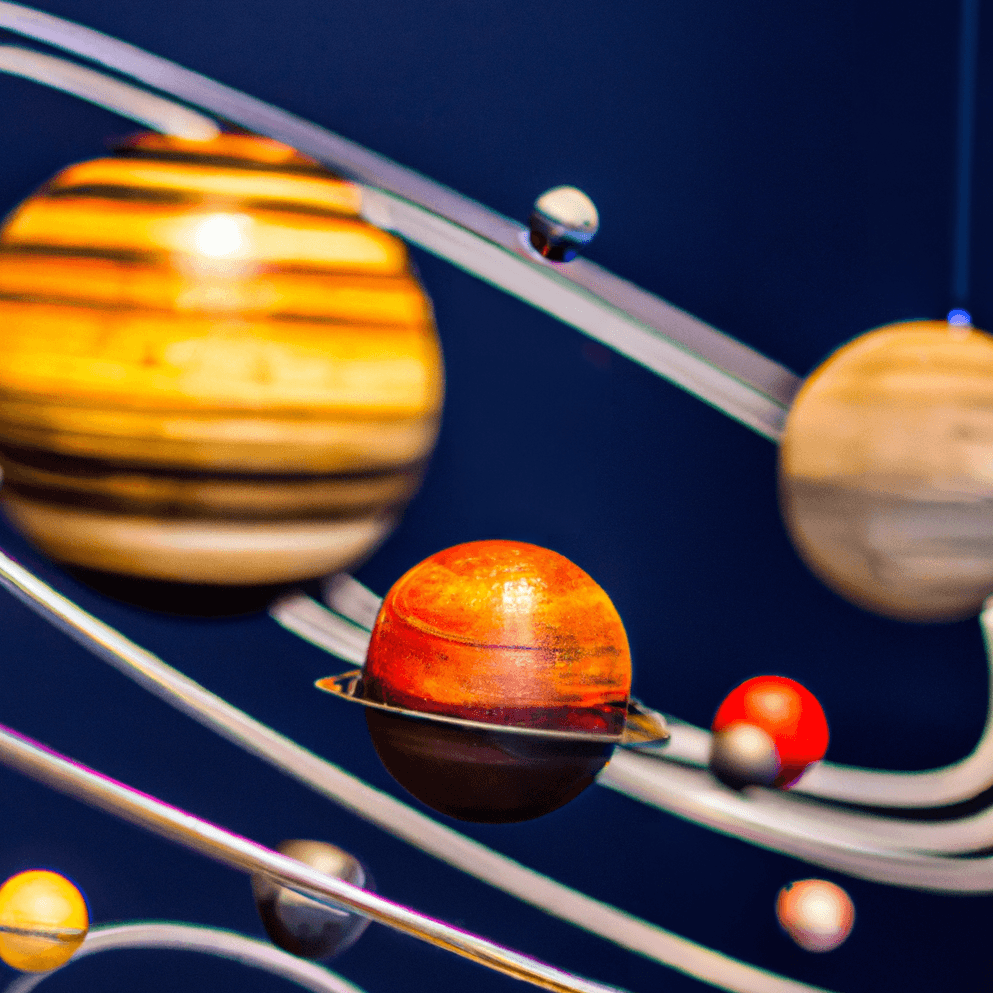
Shrink the solar system to sidewalk size and discover how surprisingly far apart the planets really are.
A foil-lined cardboard box can focus sunlight into a beam hot enough to cook a hot dog with no electricity.
Wrap a weighted container in three different swimsuit fabrics and race them to the bottom of a pool to see which creates the least drag.
Coat glass with rising amounts of a sunscreen ingredient and watch the UV meter drop as concentration climbs.
Dissolve sunscreen in ethanol and measure its UV absorbance at different concentrations to calculate how effectively it blocks ultraviolet light.
Coat glass sheets with different sunscreens and use a UV meter to find out whether doubling the SPF actually doubles the protection.
Use bacteria as a stand-in for skin cells and compare two sunscreens to see which one blocks more UV light.
Count petals, trace spirals, and measure leaf angles to uncover the Fibonacci sequence hiding in ordinary plants and shells.
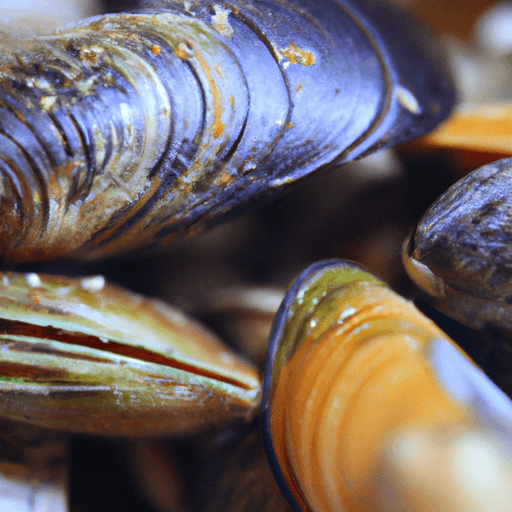
Collect zebra mussels from three lakes of different acidity and test whether the most acidic water produces the weakest shells.
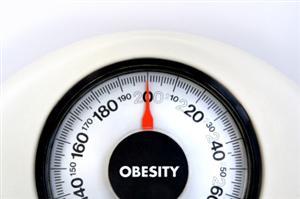
Sort 200 participants by weekly gaming hours and compare obesity rates to see if more screen time means higher BMI.
Test beginners at golf, tennis, and bowling, then let them train on Wii Sports for 12 days and measure how much their real skills improve.
Give participants an exam before and after two weeks of daily video games and see whether their scores change.
More related science projects
 Balloons are not just for parties—they can also teach you a lot about science! Have fun exploring different gases inside balloons, powering a rocket car, or creating static electricity. Browse balloon projects.
 You can do edible science projects like baking bread, making rock candy and exploring how colors affect taste. It's a delicious way to learn about biology, chemistry, nutrition, and psychology. Browse edible projects.
 Explore how water plays a vital role in plants, discover the special properties that make water unique and do fun chemical reactions with water! Dive in and discover the fascinating world of water! Browse water projects.
 Explore the wonder and excitement of these STEM projects! Each of these only need a few items you may have at home, so it's an easy and fun way to teach kids about STEM! Browse STEM projects.
 Biology is the study of living things and how they work. Browse biology projects
 Chemistry is the study of matter, which is everything around us! Explore different chemical reactions in these science projects! Browse chemistry projects.
 Physics is the study of how the universe works. Discover the forces and motions that give rise to volcanic eruptions! Browse physics projects.
 Engineering is all about solving problems using science and math. Browse engineering projects.