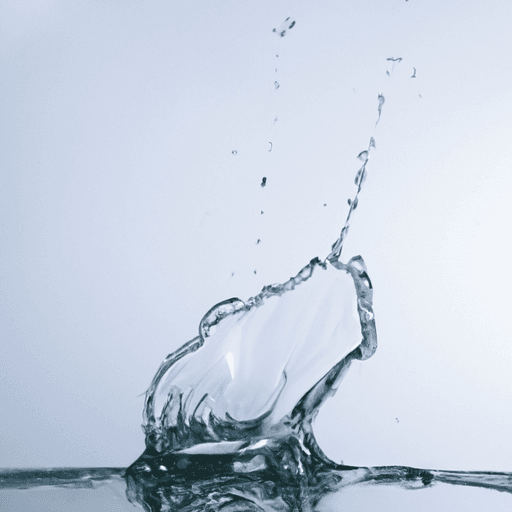
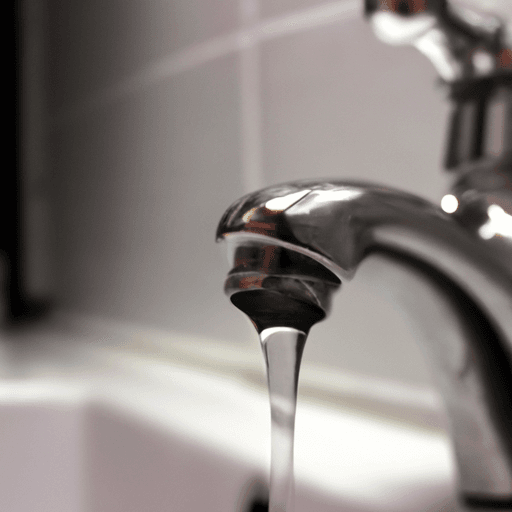
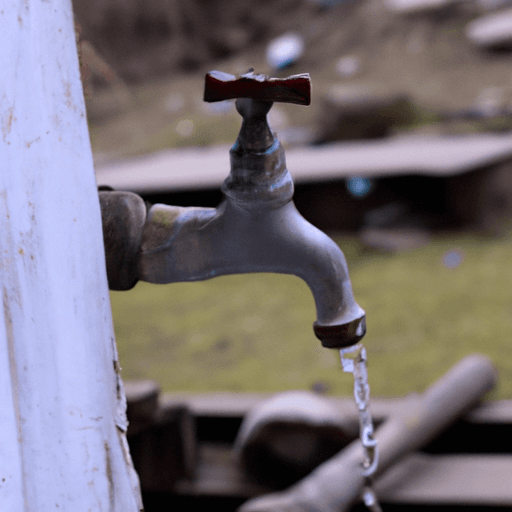
Get ready to dive into some exciting water projects that will help you understand how incredible water is! Explore how water plays a vital role in plants, discover the special properties that make water unique and do fun chemical reactions with water! Dive in and discover the fascinating world of water!
Browse Water Experiments
Check out all the different water projects with complete instructions and videos. They're great for students' science fair projects and a fun way for kids to learn about the science of water!
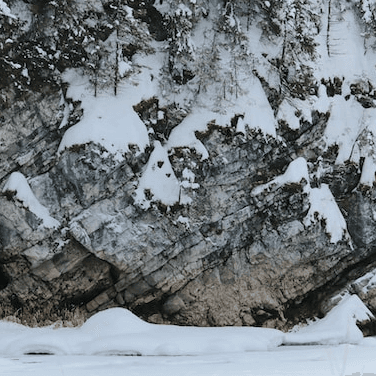
Freeze water inside plaster of Paris and watch ice wedging crack it apart, just like real rocks in winter.
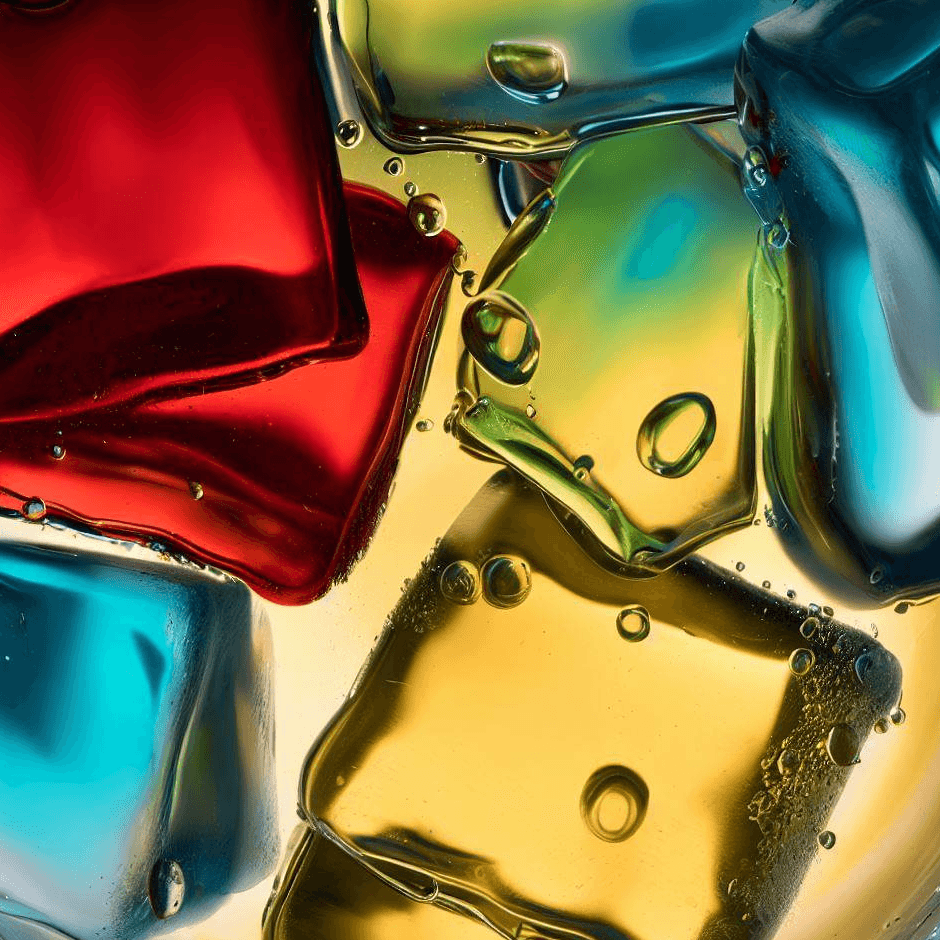
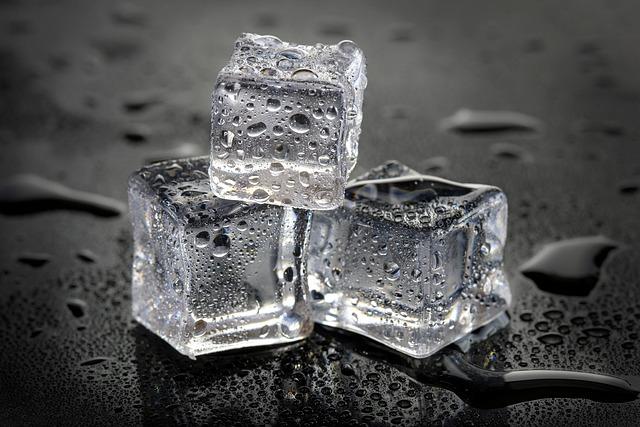
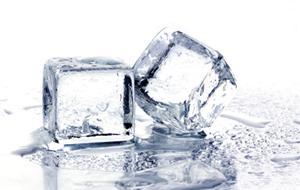
Drop colored ice cubes into oil and watch streams of melting color swirl downward like a slow-motion lava lamp.
Drop rice grains onto foil floating in pure and salt water at five temperatures to map how surface tension weakens.
Drop food coloring into three jars of different temperature water and watch the color spread at wildly different speeds.
Freeze eight salt and sugar solutions side by side and discover why cities choose salt over sugar for icy roads.
Place three plants with very different leaf sizes in water for five days and find out which one drinks the most.
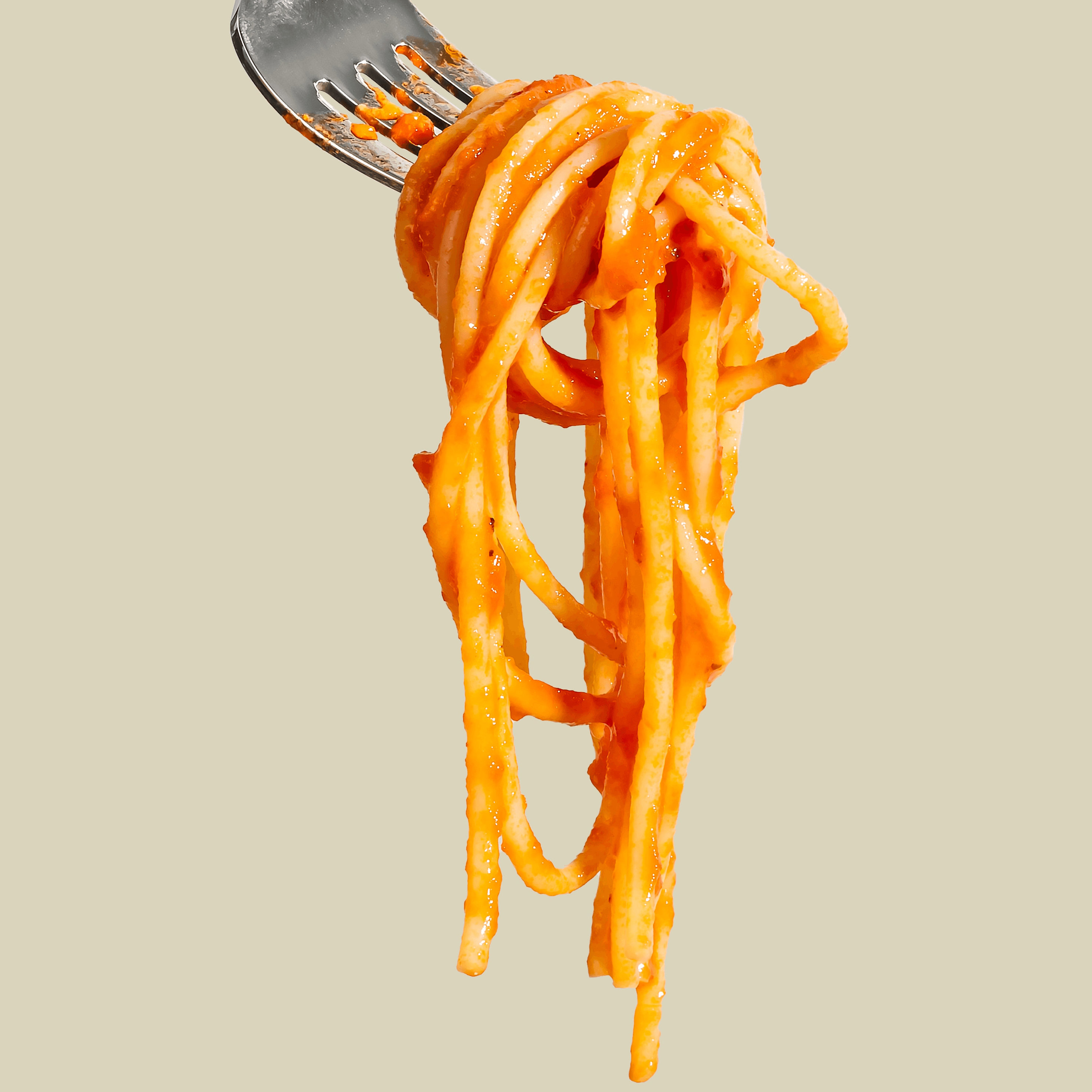
Soak spaghetti in water for a few hours, then boil it for just one minute to test whether pre-soaking cuts cooking time.
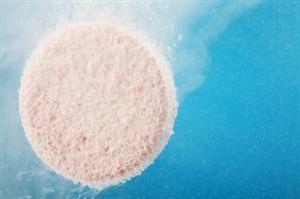
Drop Alka-Seltzer tablets into water and acid at four temperatures and time how fast each one dissolves.
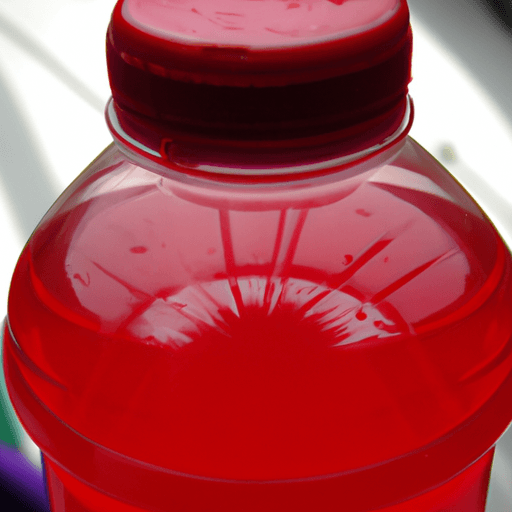
Have the same subjects exercise after drinking Gatorade one day and water another, then compare their pulse rates to see if electrolytes matter.
Collect lake water at four depths and test for acidity, cloudiness, ammonia, and nitrates to map how pollution changes below the surface.
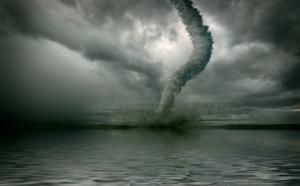
Build a tornado chamber with dry ice and an exhaust fan, then change the water temperature to see which setting creates the widest vortex.
Connect a 9-volt battery to two pencils in salt water and watch hydrogen and chlorine bubbles form at each tip.
Test five singers before and after drinking ice water to discover whether cold temperatures shrink their vocal range.
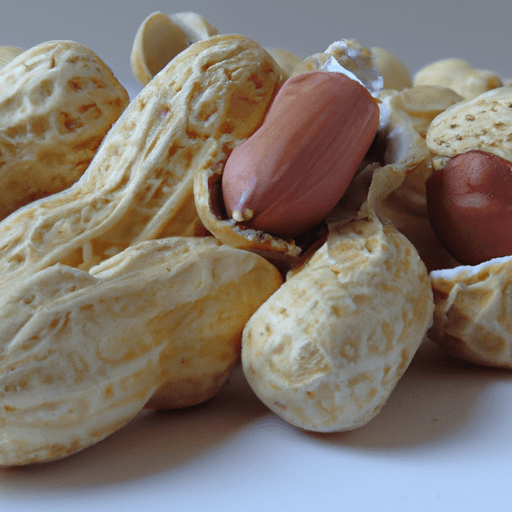
Burn a single peanut under a can of water and measure how many degrees the temperature rises.
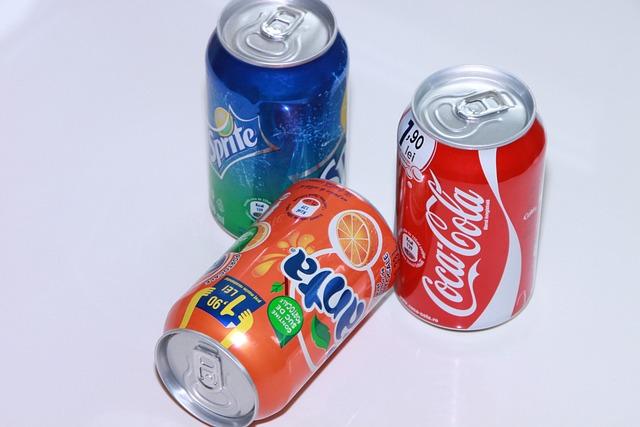
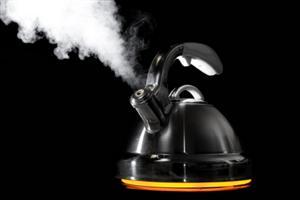
Boil water inside an empty soda can and flip it into ice water to watch outside air pressure crush the can in an instant.
Wrap ice in aluminum foil versus kitchen towels and track which covering keeps it frozen the longest.
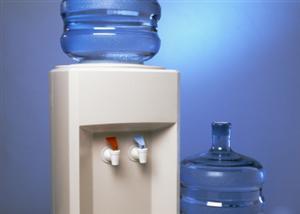
Swab water from a cooler and a tap into petri dishes and discover which source grows more bacteria.
Change four conditions one at a time and discover which single factor shifts water's boiling point.
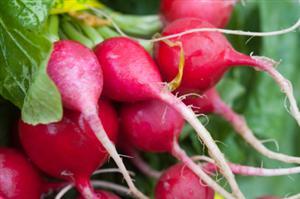
Give ten pots of radish seeds different daily water amounts and find the range that produces the tallest plants in ten days.
Place a single drop of pond water under a microscope and discover the hidden world of protists and microorganisms living inside it.
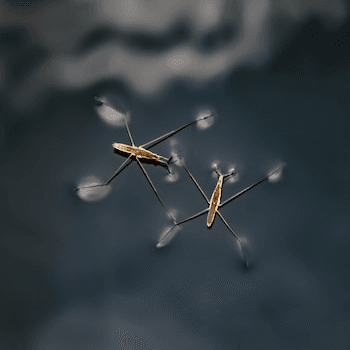
Design a model insect from simple materials and see if you can make it stand on water using surface tension.
Pack flasks of boiling water in three different insulating materials and track which one holds heat the longest.
Test well water near animal pens and away from them to find out which samples carry fecal bacteria like E. coli.
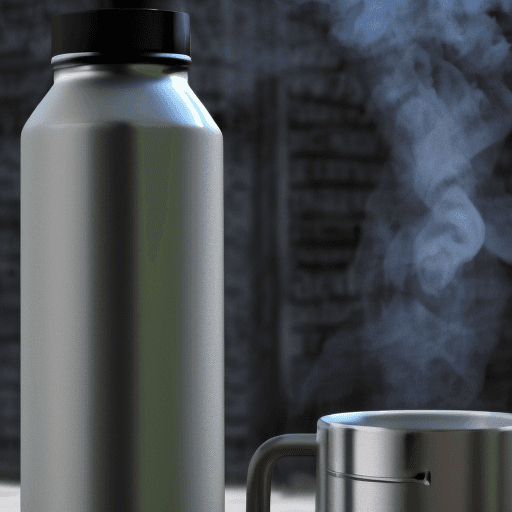
Wrap jars in different household materials and race them against a thermos to find the best insulator.
Coat two glass sheets with competing water repellents and time which one lets a drop slide faster.
Drill a hole in a metal cup and time how long sugar-water solutions of increasing strength take to drain through it.
Scratch plastic bottles to different levels of cloudiness and discover how much sunlight needs to pass through to kill bacteria in the water.
Add a drop of acid to water from three local sources and see which one resists pH change the most.
Collect water from a rural creek and an urban creek fed by the same snowpack and compare their chemical levels.
Soak limestone, leaves, and fish in acid solution and plain water side by side to see what acid rain does to natural materials.
Survey a wetland for visible pollution, then taste-test clear liquids to prove that clean-looking water can hide harmful substances.
Collect tap water from five old houses with lead pipes and five new houses with PVC, then send all ten samples to a lab for lead testing.
Build a layered filter from charcoal, sand, and gravel and watch murky water come out clear on the other side.
Run tap and river water through three purification methods and test which one removes the most contaminants and kills E. coli.
More related science projects
 Nature is full of amazing things to explore! Let's go outside and have some fun with these nature science projects! Browse nature projects.
Ba lloons are not just for parties—they can also teach you a lot about science! Have fun exploring different gases inside balloons, powering a rocket car, or creating static electricity. Browse balloon projects.
 You can do edible science projects like making rock candy, baking bread and exploring how colors affect taste. It's a delicious way to learn about biology, chemistry, nutrition, and psychology. Browse edible projects.
 Explore the wonder and excitement of these STEM projects! Each of these only need a few items you may have at home, so it's an easy and fun way to teach kids about STEM! Browse STEM projects.
 Biology is the study of living things and how they work. Browse biology projects
 Chemistry is the study of matter, which is everything around us! Explore different chemical reactions in these science projects! Browse chemistry projects.
 Physics is the study of how the universe works. Discover the forces and motions that give rise to volcanic eruptions! Browse physics projects.
 Engineering is all about solving problems using science and math. Browse engineering projects.