
Eureka Crate — engineering & invention kits for ages 12+ — monthly projects that build real-world skills. (Affiliate link)
See what’s included

Hard
Press everyday objects onto antibiotic-treated agar and see which bacteria survive where others cannot.
Hard
Grow E. coli on agar plates with ampicillin discs for five generations and watch the bacteria-free zone shrink as resistance builds.
Hard
Use bacteria as a stand-in for skin cells and compare two sunscreens to see which one blocks more UV light.
Hard
Isolate bacteria from your own mouth and pit different mouthwash brands against each other to see which one creates the largest bacteria-free zone.
Hard
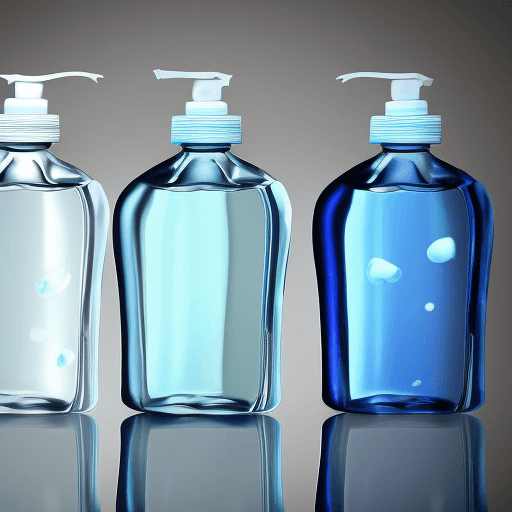
Grow three types of bacteria and test soap discs side by side to discover whether the antibacterial label actually means a bigger bacteria-free zone.
Hard
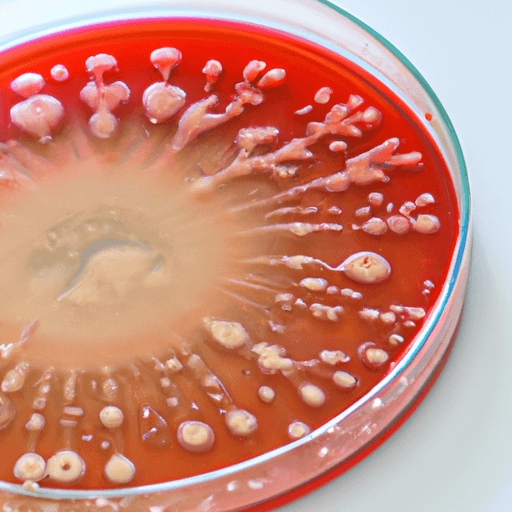
Culture bacteria from human hands, expose them to different antibiotics on lab plates, and measure which drug creates the largest bacteria-free zone.
Hard
Expose three bacteria species to temperatures from dry-ice cold to boiling hot and see which ones survive after five days.

Hard
Soak filter discs in acid and alkali at four strengths, place them on bacteria-covered plates, and measure which solution clears the largest germ-free zone.
Share this page:


Page 5 of 5


Science Concepts
Agar Plate CultureAntibiotic ResistanceAntibioticsAntimicrobial Properties of Natural SubstancesAntimicrobial SurfacesAseptic TechniqueBacterial Colony CountingBacterial ContaminationBacterial GrowthBiofilmBioluminescenceBioremediationCross-ContaminationDisinfectionE. coliFood IrradiationFood SafetyGram StainingHygiene and HandwashingIncubationKirby-Bauer Disk Diffusion TestMicroorganismsMicroscopyOral MicrobiomepH and Bacterial GrowthPropionibacterium acnesSolar Water DisinfectionSpectrophotometryTemperature and Bacterial SurvivalUltraviolet DisinfectionZone of Inhibition