Nature is full of amazing things to explore! Look around at the rocks, trees, mountains, rivers, oceans, and sky. They're all waiting for us to discover their secrets! Let's go outside and have some fun with these nature science projects!
Browse nature experiments
Each science project has complete instructions with videos to guide you through the experiment!
Stick tape-covered index cards around a schoolyard for 24 hours, then count the particles to find which spot has the dirtiest air.
Sort through real soil samples to find hidden organisms and map out which creatures are producers and which are consumers.
Place a single drop of pond water under a microscope and discover the hidden world of protists and microorganisms living inside it.
Survey plots in a lawn and a wild habitat to discover whether more plant types really do attract more animal species.
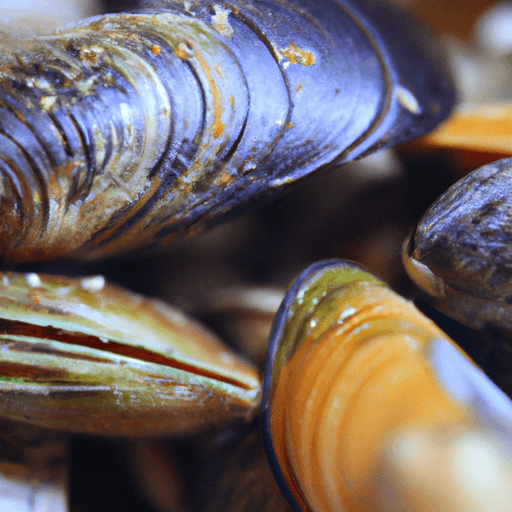
Collect zebra mussels from three lakes of different acidity and test whether the most acidic water produces the weakest shells.
Release two species of beetle into dishes with six different plants and watch them eat only the invasive purple loosestrife.
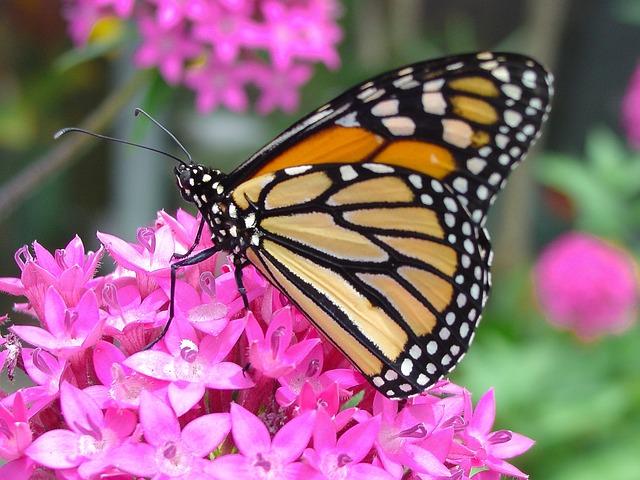
Wet Monarch butterflies and place them in cold storage to find out how long they can survive the combination.
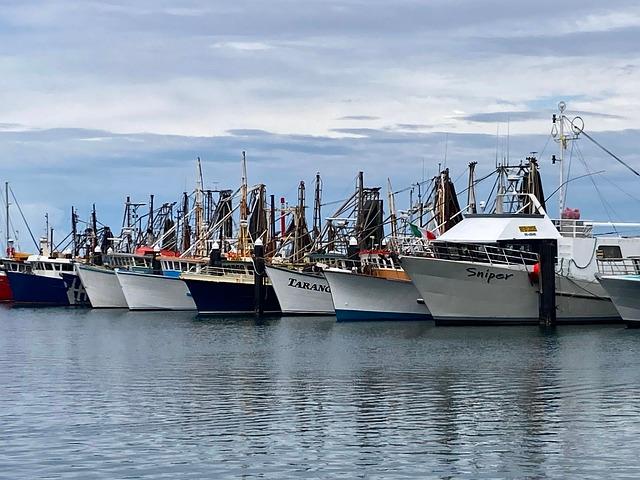
Collect water from a boatyard, marina, beach, and tap, then send all four to a lab to compare heavy metal levels.
Soak limestone, leaves, and fish in acid solution and plain water side by side to see what acid rain does to natural materials.
Collect lake water at four depths and test for acidity, cloudiness, ammonia, and nitrates to map how pollution changes below the surface.
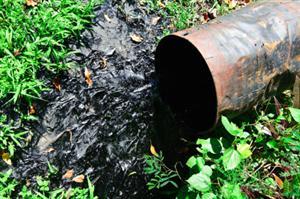
Survey a wetland for visible pollution, then taste-test clear liquids to prove that clean-looking water can hide harmful substances.
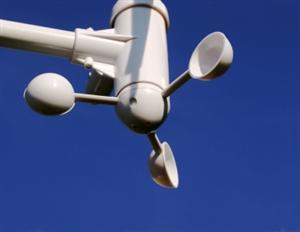
Mount four anemometers at different heights on a hilltop pole and watch how the ground slows the wind down.
Build a cloud mirror and pair it with a hygrometer and barometer to measure four weather conditions at once.
Submerge Elodea plants under layers of different oils and watch whether the plants absorb the spill or struggle to survive.
Collect rain and snow data from schools across the country and discover how much precipitation varies from city to city.
Add milk to a glass of water and shine a flashlight through it to see why the sky looks blue.
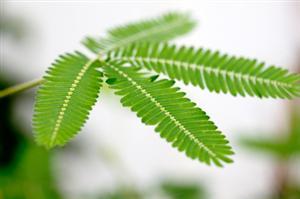
Train Mimosa pudica plants with paired light and temperature cues for six days, then remove one cue to see if the plants learned the association.
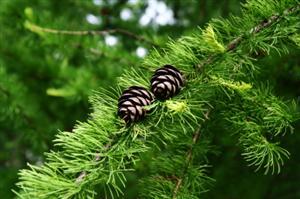
Peel a nail-polish impression off pine needles and count their breathing pores to see whether traffic pollution changes how leaves grow.
Clone a plant using leaf cuttings, stem cuttings, or layering and compare which method grows new roots first.
Place three plants with very different leaf sizes in water for five days and find out which one drinks the most.
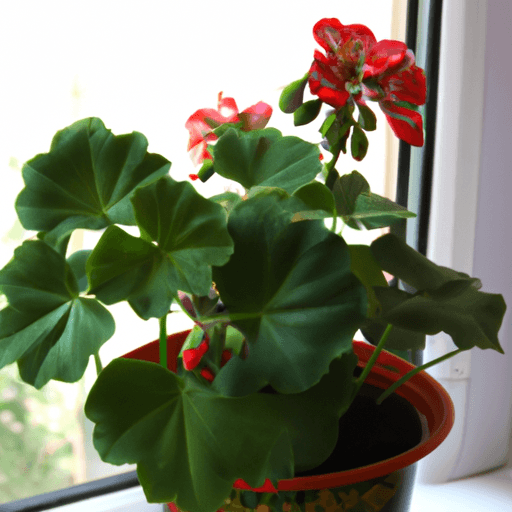
Place a cut geranium stem in water and watch new roots appear within two weeks — no seeds needed.
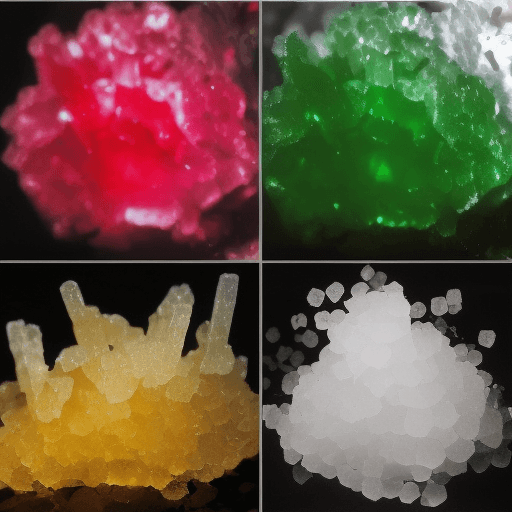
Place crystal solutions in three spots with different temperatures and see which one produces the largest crystals.
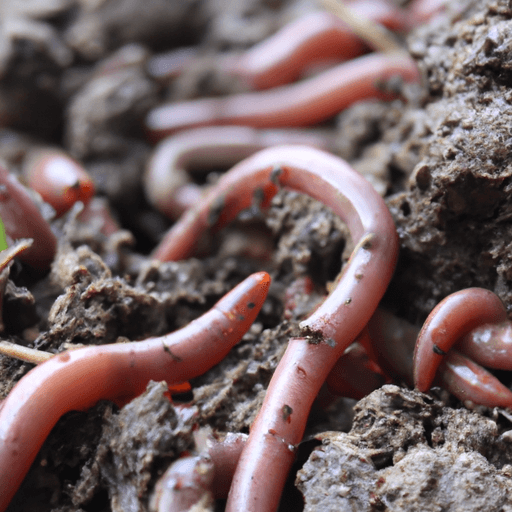
Add earthworms to half your pots and vary the watering to see whether worms help plants survive drought or overwatering.
Block the top or bottom of leaves with Vaseline and observe which side must stay open for the plant to survive.
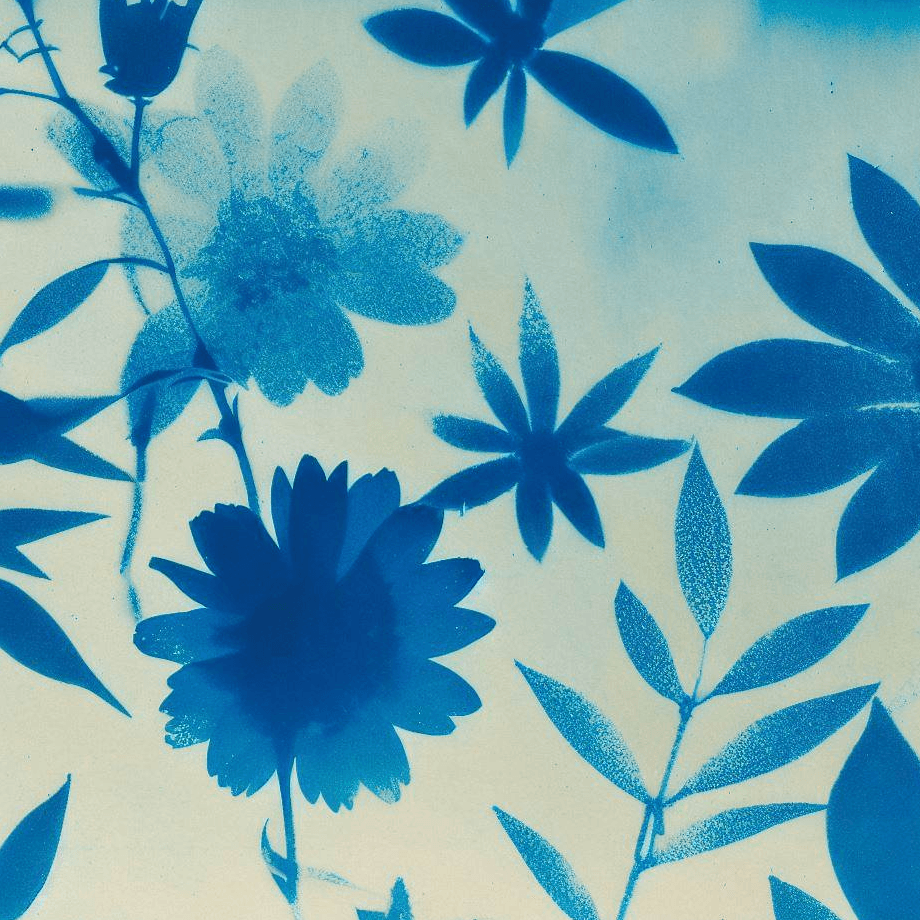
Lay leaves and flowers on construction paper in the sun to reveal sharp, colorful outlines where UV rays cannot reach.
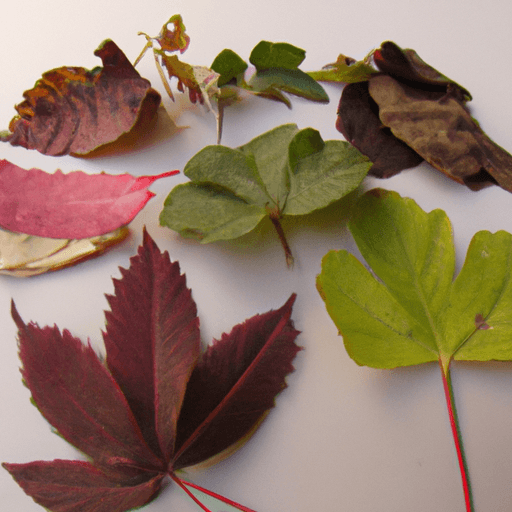
Soak torn leaves in rubbing alcohol and use coffee filter strips to separate the hidden colors that chlorophyll covers up all summer.
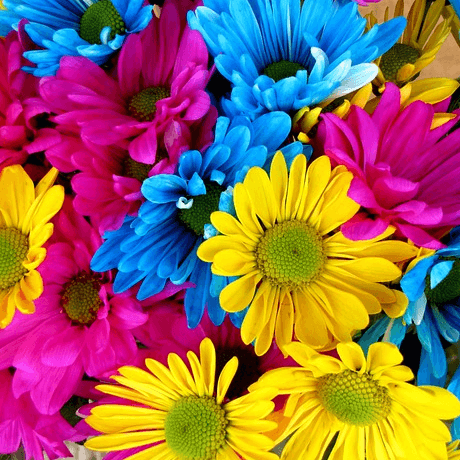
Place white daisies in colored water and watch the petals change to blue or red within a single day.
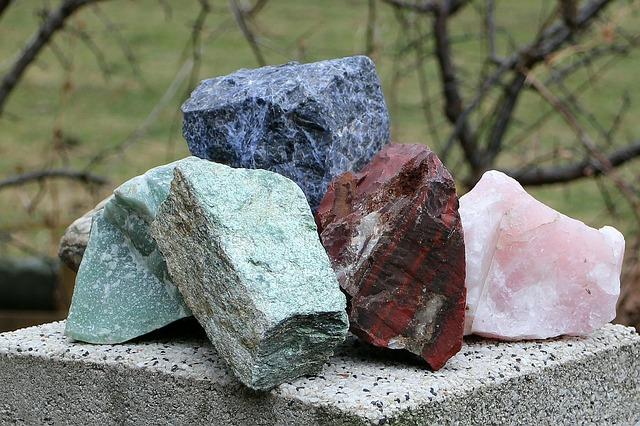
Scratch rocks with everyday objects like coins and nails to rank their hardness on the Mohs scale.
Drop rocks into water to find their volume, then calculate which rock types pack in the most matter.
Soak different rocks in water and discover which ones hold the most liquid like underground sponges.
Drop vinegar on a rock and watch for fizzing bubbles that reveal hidden calcite inside.
Freeze water inside plaster of Paris and watch ice wedging crack it apart, just like real rocks in winter.
More related science projects
 Explore how water plays a vital role in plants, discover the special properties that make water unique and do fun chemical reactions with water! Dive in and discover the fascinating world of water! Browse water projects.
 Learn all about rocks, minerals & crystals with our lesson & science projects: rock cycle, sedimentary rocks, metamorphic rocks, igneous rocks. Browse rock projects.
 Explore the wonder and excitement of these STEM projects! Each of these only need a few items you may have at home, so it's an easy and fun way to teach kids about STEM! Browse STEM projects.
 Photosynthesis is the process by which plants make their own food using energy from the sun. Browse photosynthesis science projects.
 Botany is the study of how plants grow and interact with their surroundings, from flowers to trees to crops. Browse botany science projects.
 Solar energy is energy that comes from the sun, and it's one of the most abundant forms of energy on earth. Browse solar energy science projects.
 Earth science explores our planet from the solid ground to the vast oceans and the air we breathe. Browse earth science projects.
 Environmental science is about how human activities affect the natural world. Browse environmental science projects.